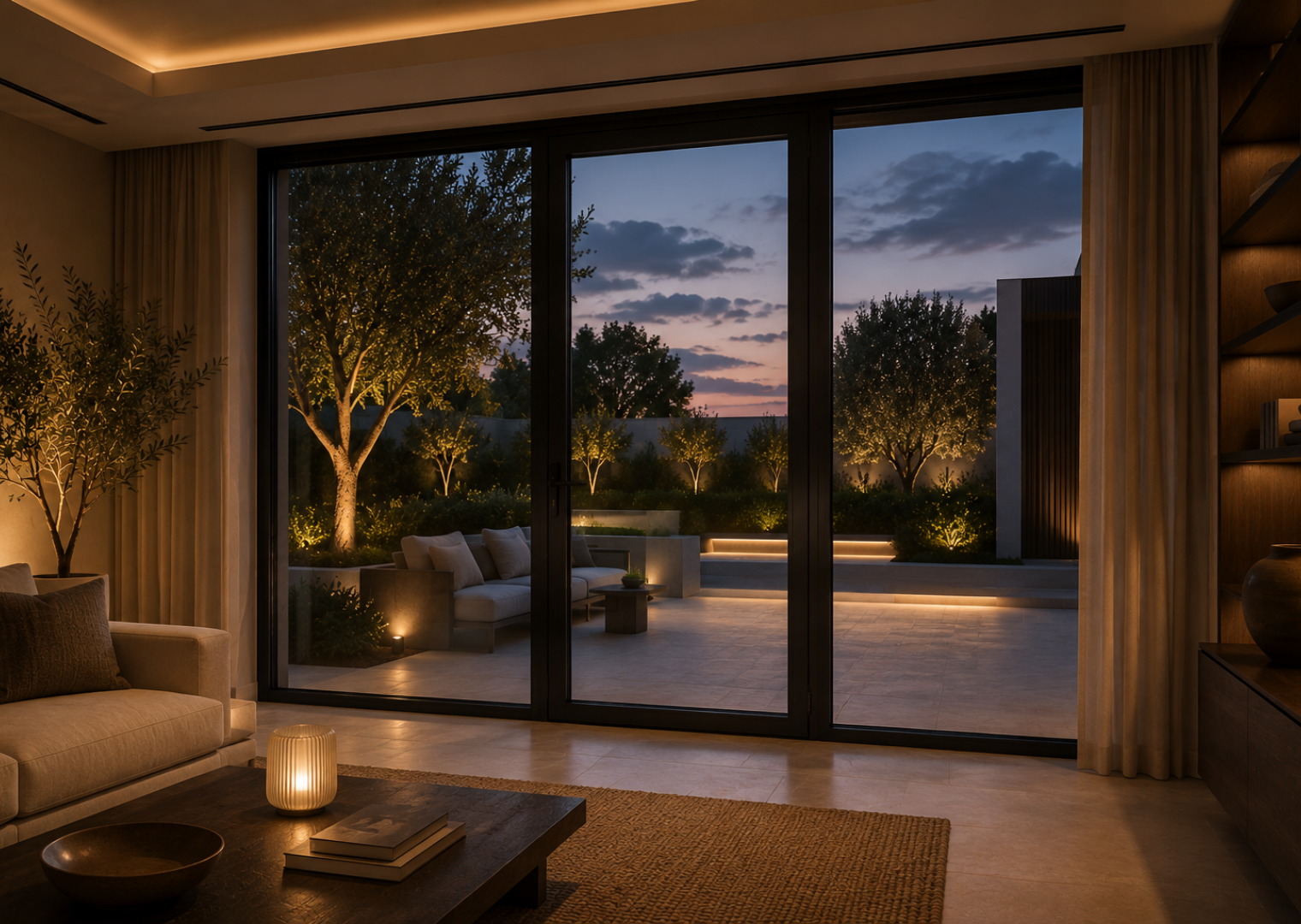
Aluminium Fabrication Door: The Complete Guide for Homeowners, Architects and Developers
An aluminium fabrication door is built, not bought off a shelf. Every profile is cut, welded or mechanically joined, reinforced, and finished to match the exact dimensions and performance requirements of a specific opening. This custom approach is why an aluminium fabrication door has become the standard choice for commercial towers, villas, and retail developments across the UAE, where precision, durability, and design flexibility all matter equally.
In this guide, we explain what an aluminium fabrication door actually is, how the fabrication process works, the main types available, and what to look for in a fabricator. We also explain why Arqen has become one of the UAE’s most trusted names for aluminium fabrication door manufacturing.
What Is an Aluminium Fabrication Door?
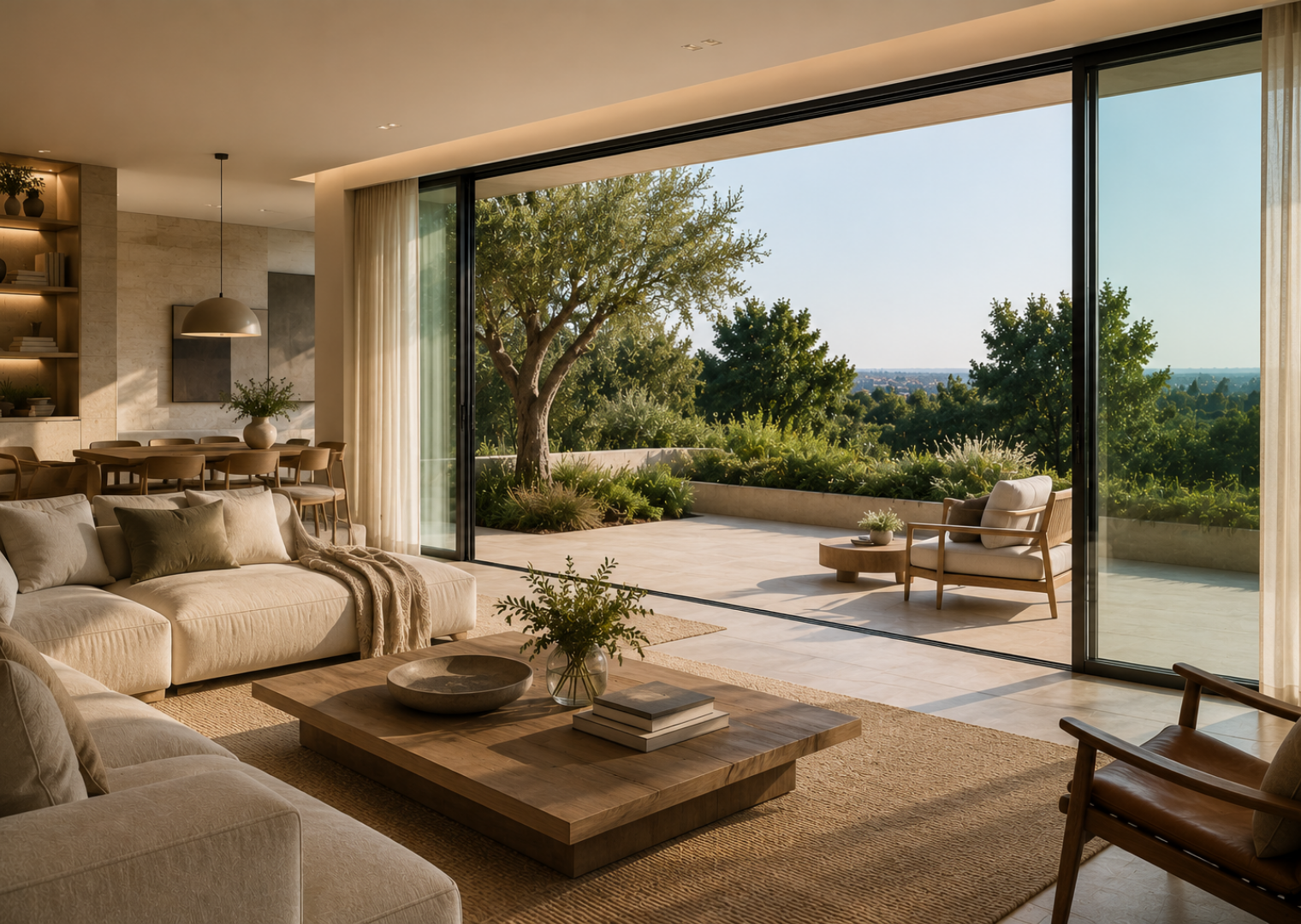
An aluminium fabrication door is a door system custom-built from aluminium profiles rather than assembled from mass-produced, pre-sized units. The fabrication process involves cutting extruded aluminium sections to the exact opening size, machining corner joints, reinforcing the frame where needed, fitting hardware, and glazing the panel, all tailored to the project’s specifications.
Because every aluminium fabrication door is made to order, architects and homeowners get far more control over size, profile thickness, finish, and opening style than they would with a standard factory door. This makes an aluminium fabrication door especially popular for non-standard openings, statement entrances, and large-format glazed doors.
Why Choose an Aluminium Fabrication Door Over Other Materials
Compared with timber or uPVC, an aluminium fabrication door offers a rare combination of strength and low weight, which allows for slimmer frames and larger glass panels without compromising structural performance. Aluminium also resists rust, warping, and termite damage, making an aluminium fabrication door a far more durable choice for the UAE’s heat and coastal humidity.
An aluminium fabrication door is also highly customisable. Powder-coated or anodised finishes come in a wide range of colours and textures, so an aluminium fabrication door can be matched precisely to a building’s facade, whether the design calls for a matte black frame, a bronze anodised finish, or a woodgrain effect.
Types of Aluminium Fabrication Doors
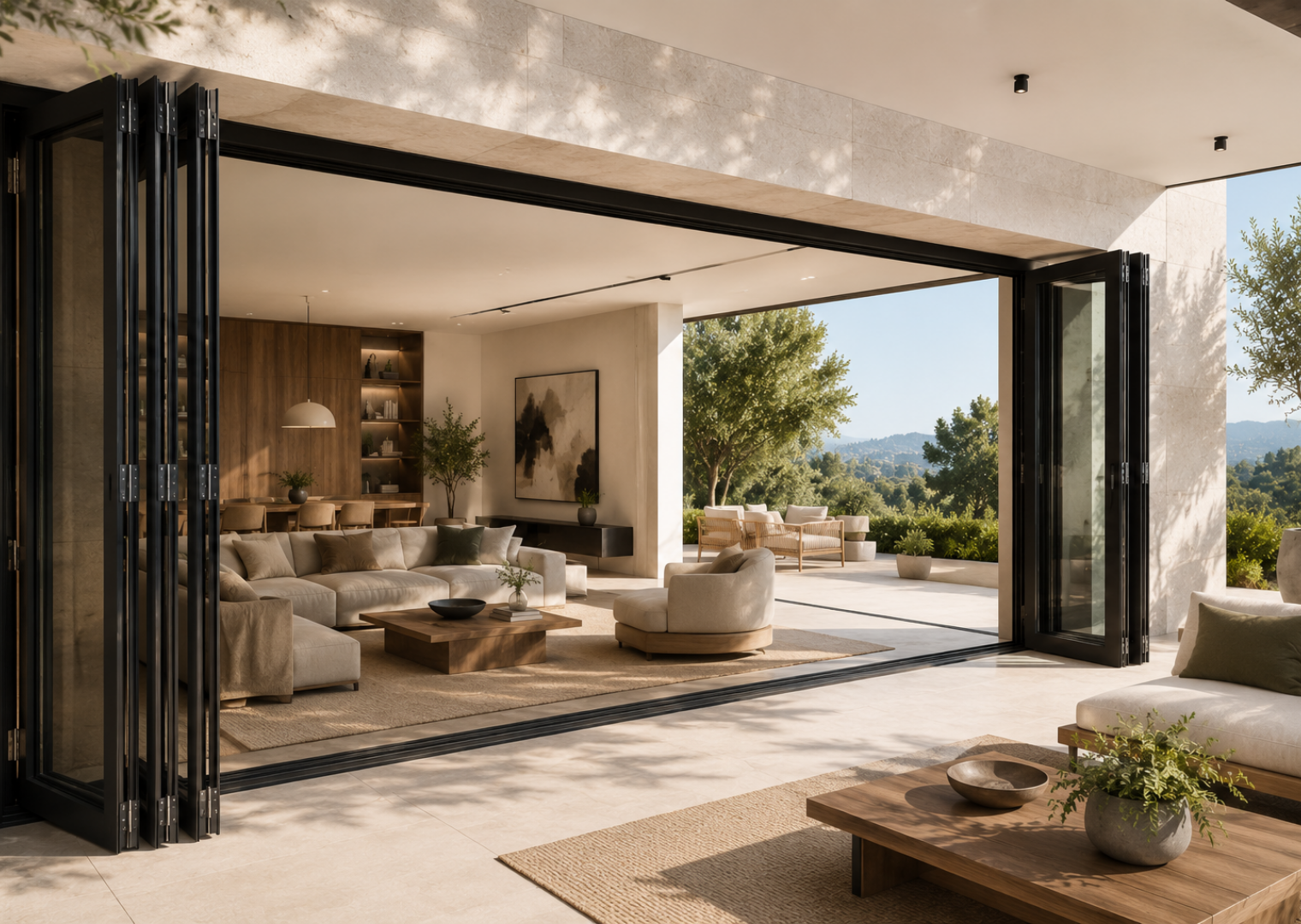
1. Aluminium Sliding Fabrication Door
A sliding aluminium fabrication door glides horizontally along a track, making it a space-saving option for balconies, patios, and areas where a swinging door would be impractical. This type of aluminium fabrication door is popular in both residential and commercial UAE projects for its clean lines and smooth glass views.
2. Aluminium Casement Fabrication Door
A casement-style aluminium fabrication door is hinged on one side and swings open like a ting a tighter seal against wind and dust than a sliding option. This aluminium fabrication door type is often specified for main entrances and secondary access points where airtightness matters.
3. Aluminium Bifold Fabrication Door
A bifold aluminium fabrication door folds in panels to open up an entire wall, blending indoor and outdoor spaces. This aluminium fabrication door style is in high demand for villas, restaurants, and hospitality projects that want to maximise natural light and airflow.
4. Aluminium Pivot Fabrication Door
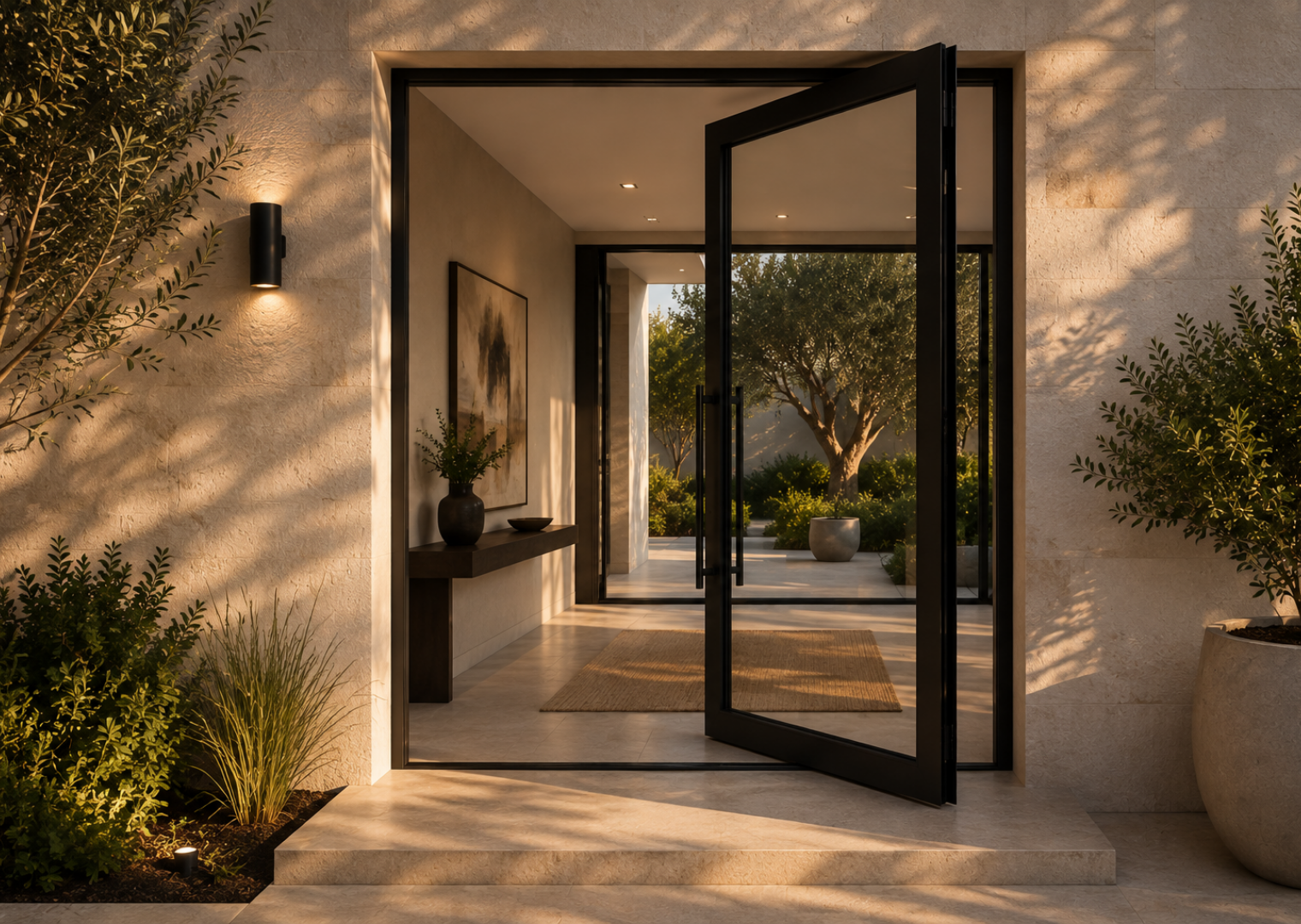
A pivot aluminium fabrication door rotates on a central pivot point rather than side hinges, allowing for oversized, statement-making entrances. Architects often choose this aluminium fabrication door format for grand residential or commercial entryways.
5. Aluminium Fire-Rated Fabrication Door
A fire-rated aluminium fabrication door is engineered with specialised profiles, intumescent seals, and rated glazing to meet building safety codes. This aluminium fabrication door type is essential for stairwells, plant rooms, and other fire-compartmentalised areas in commercial buildings.
How an Aluminium Fabrication Door Is Made
Understanding the fabrication process helps explain why an aluminium fabrication door performs so much better than a generic, pre-made unit.
- Design and measurement: The exact opening is surveyed and a shop drawing is prepared for the aluminium fabrication door.
- Cutting: Aluminium profiles are precision-cut to size using CNC or manual cutting saws.
- Machining and reinforcement: Corner joints are notched, and steel reinforcement is inserted where the aluminium fabrication door needs extra structural strength.
- Assembly: Frame sections are joined using corner crimping, welding, or mechanical fasteners, depending on the aluminium fabrication door design.
- Finishing: The frame is powder-coated or anodised for corrosion resistance and colour.
- Glazing and hardware: Glass panels, locks, hinges, and handles are fitted to complete the aluminium fabrication door.
- Quality check and installation: Each aluminium fabrication door is inspected for alignment and weather sealing before being installed on site.
Key Benefits of a Quality Aluminium Fabrication Door
- Durability: An aluminium fabrication door resists corrosion, rust, and warping, even in coastal or high-humidity conditions.
- Energy efficiency: Thermally broken profiles in an aluminium fabrication door help reduce heat transfer and cooling costs.
- Security: Reinforced frames and multi-point locking systems make an aluminium fabrication door a strong barrier against forced entry.
- Low maintenance: An aluminium fabrication door needs little more than occasional cleaning to stay in top condition.
- Design flexibility: Because every aluminium fabrication door is custom-built, it can match almost any architectural style or colour scheme.
- Longevity: A well-fabricated aluminium fabrication door can last decades with minimal degradation in performance.
How to Choose the Right Aluminium Fabrication Door Supplier
Choosing a fabricator for an aluminium fabrication door is just as important as choosing the door style itself. Ask potential suppliers about their profile suppliers, welding and joining techniques, powder coating standards, and whether they test their aluminium fabrication door products for wind load and water penetration.
Always request a written warranty on both materials and workmanship. A reliable aluminium fabrication door supplier should also be able to provide project references, ideally from buildings with similar climate exposure and scale to your own.
Common Mistakes to Avoid When Ordering an Aluminium Fabrication Door
- Choosing the cheapest aluminium fabrication door quote without checking profile thickness or reinforcement quality.
- Ignoring wind load and water penetration test data for an aluminium fabrication door used in exposed or coastal locations.
- Overlooking hardware quality, since even a well-built aluminium fabrication door will underperform with poor locks or hinges.
- Failing to confirm lead times, since a custom aluminium fabrication door takes longer to fabricate than a stock unit.
- Not requesting a workmanship warranty alongside the standard material warranty on an aluminium fabrication door.
Arqen: The UAE’s Trusted Aluminium Fabrication Door Manufacturer
Arqen has more than 60 years of legacy in aluminium fabrication, and every aluminium fabrication door produced in-house is engineered using European-engineered profiles and hardware for superior strength and corrosion resistance. From sliding and casement doors to large-format pivot and bifold designs, Arqen’s fabrication team manages the entire process for each aluminium fabrication door, from shop drawings to final installation.
Every Arqen aluminium fabrication door is backed by a 20-year warranty, giving architects, developers, and homeowners long-term confidence in both material quality and workmanship. Arqen’s precision fabrication facility and experienced installation teams have made it a preferred aluminium fabrication door partner for projects across the UAE.
Frequently Asked Questions About Aluminium Fabrication Doors
What does ‘fabrication’ mean for an aluminium door?
Fabrication means the aluminium fabrication door is custom-built from raw aluminium profiles to fit a specific opening, rather than purchased as a standard pre-made unit.
How long does it take to fabricate an aluminium door?
Lead times for an aluminium fabrication door typically range from two to six weeks, depending on size, complexity, and finish requirements.
Is an aluminium fabrication door more expensive than a standard door?
An aluminium fabrication door can cost more upfront than a mass-produced door, but its durability, energy efficiency, and long service life often make it more cost-effective over time.
Can an aluminium fabrication door be made fire-rated?
Yes, an aluminium fabrication door can be engineered with fire-rated glazing and intumescent seals to meet building safety code requirements.
Does Arqen offer a warranty on its aluminium fabrication doors?
Yes, every Arqen aluminium fabrication door is backed by a 20-year warranty covering both materials and workmanship.
Final Thoughts
An aluminium fabrication door offers a level of strength, durability, and design flexibility that off-the-shelf doors simply cannot match. Whether the project calls for a sliding balcony door, a fire-rated stairwell door, or a statement pivot entrance, working with an experienced fabricator like Arqen ensures every aluminium fabrication door performs reliably for decades while enhancing the building’s overall design.
1 Comment
curtain wall system ; Types, Benifits & Cost 2026 | Arqen
September 28, 2026
[…] and architects across the UAE specify curtain wall systems for both commercial towers and high-end residential buildings. Here’s why this facade type continues to outperform […]