Aluminium Windows in Dubai: 2026 Guide to Types & Cost
Aluminium Windows decide how much light you get, how warm your rooms feel, how loud the street sounds and how secure the building is. They also shape how a building looks from the outside and how its rooms feel from the inside. In the UAE, where heat, dust and strong sun are part of daily life, the right window choice matters even more, because a poorly specified window affects comfort, energy use and maintenance every single day.
Aluminium is one of the most widely used window materials in the region, for villas, apartments, offices, shops and large commercial buildings. But “aluminium windows” is a broad label. Two windows can both have aluminium frames and still differ greatly in thermal performance, glass quality, hardware, finish and price. Understanding what sits behind a quote is the best way to avoid disappointment.
This guide explains aluminium windows in plain language: the main types, how frames and glass work, how finishes compare, what to consider in the UAE climate, what affects the price, and what to check before you accept a quote.
What Are Aluminium Windows?
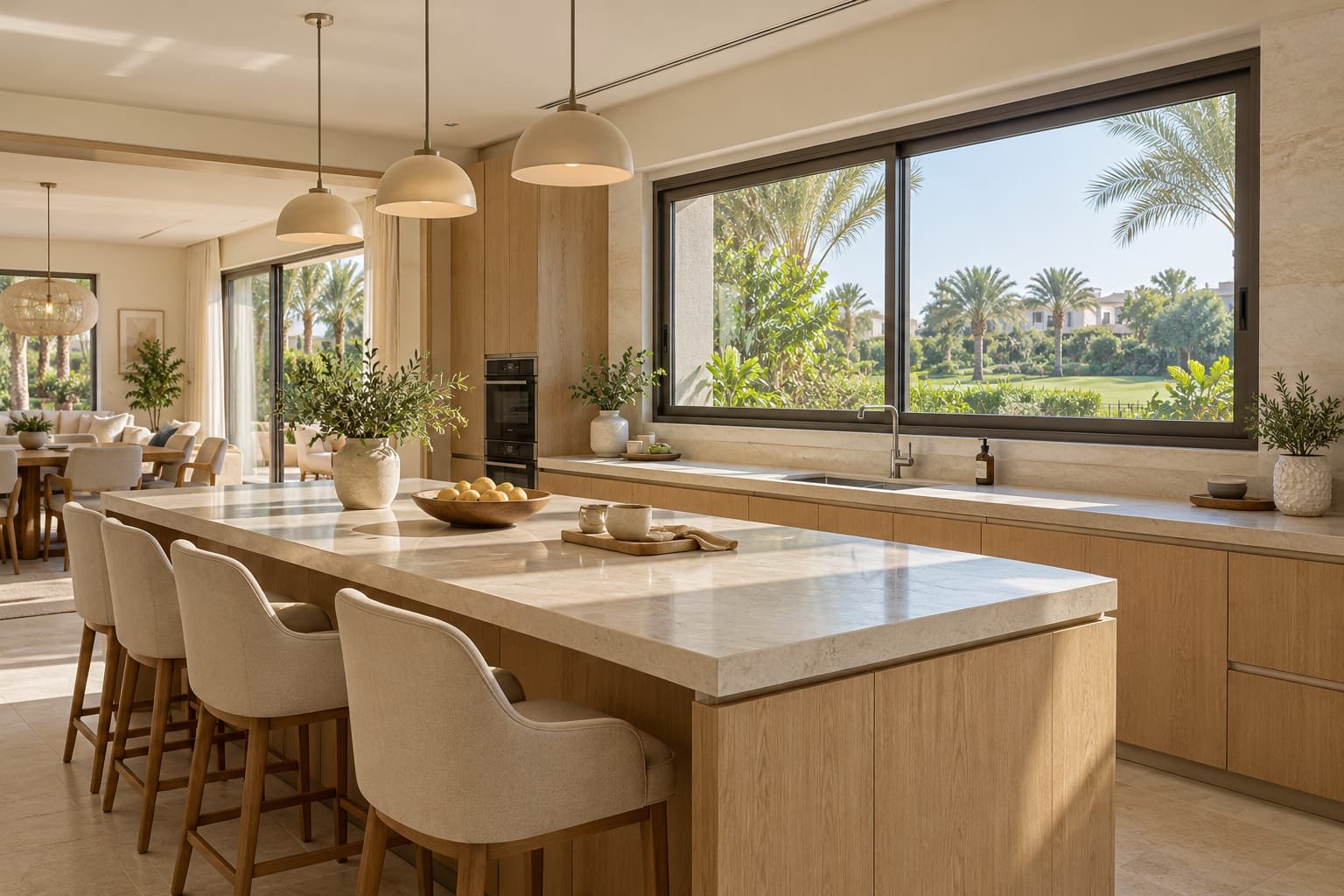
Aluminium windows have frames made from aluminium, a strong, lightweight metal. The frame holds the glass, and the moving parts let in fresh air. Because aluminium is strong, the frame can be slim while still supporting large glass panels. This is why aluminium is so often chosen when the goal is a modern look with generous views and plenty of daylight.
How Aluminium Windows Are Made
Aluminium frames are usually made by pushing heated aluminium through a shaped steel die, a process called extrusion. The result is a long, hollow profile with a precise cross-section. The profiles are cut to size and machined. Anodising or powder coating, which protects the metal and gives it its colour, normally happens before final glazing and hardware assembly. The frames are then assembled, and glass, seals and hardware such as handles, hinges and rollers are added.
Because the profile shape is designed in advance, different window systems can include features such as thermal breaks, drainage channels and special seal grooves. This is why two frames that look similar from outside can behave very differently in practice.
Main Parts of an Aluminium Window
- Frame: the outer part that fits into the wall opening.
- Sash: the part that holds the glass and opens, slides or tilts.
- Glass: single, double-glazed, laminated or low-E, depending on your needs.
- Seals and gaskets: soft strips that help keep out dust, rain, wind and noise.
- Hardware: handles, hinges, rollers, stays and locks.
If one part is weak, the whole window suffers. A good frame with cheap rollers will still stick, and poor seals will still let in dust. Always look at the full specification, not just the frame.
Benefits of Aluminium Windows
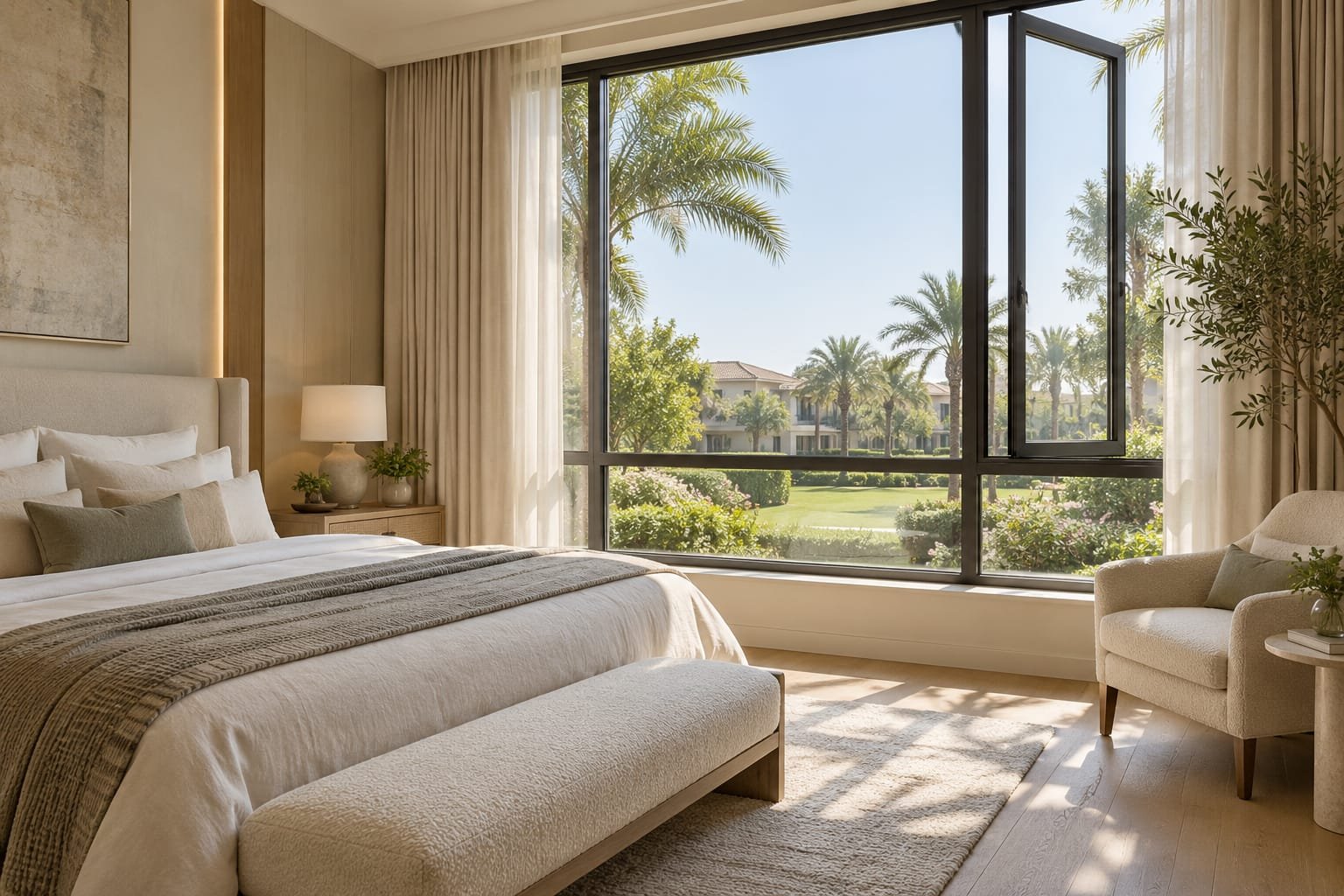
The main benefits of aluminium windows are strength, slim frames, low maintenance and design flexibility.
- Strength and slim frames: aluminium is strong for its size, so frames can be thinner than many alternatives. You get more glass and a cleaner view. Final performance depends on the profile and system you select.
- Low maintenance: aluminium does not rot or attract termites, and it does not need repainting like wood. Routine cleaning is usually enough, following the manufacturer’s care instructions.
- Design choice: many colours, finishes and sizes are available, including tall, wide and custom openings.
- Recyclable: aluminium can be recycled, which is a plus for environmentally conscious projects.
These advantages explain why aluminium suits so many different buildings. At the same time, aluminium conducts heat readily, so the system you choose should address this, which is where thermal breaks and good glass come in, as explained below.
Types of Aluminium Windows
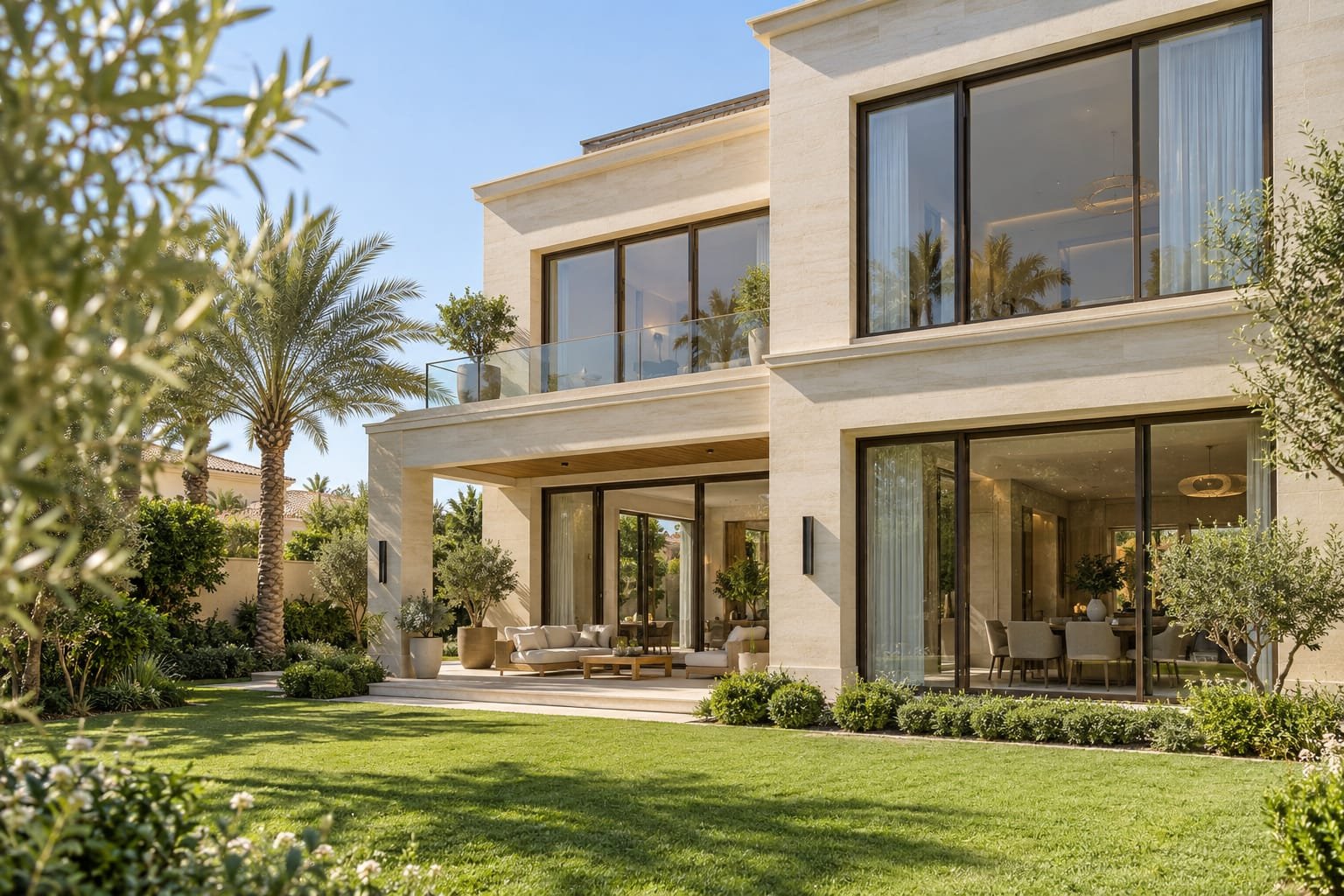
The window type decides how the window opens, how much air it lets in, how it seals and how much space it needs. The four most common types are described below.
Casement Windows
Casement windows are hinged on one side and operated with a handle. Depending on the system, they can open inward or outward. When closed, the sash presses against the frame to form a tight seal, which supports ventilation control, comfort and security.
Before choosing the opening direction, consider furniture placement, available space, safety, and whether the window will open toward the inside or outside of the building. An outward-opening casement can be a hazard above a walkway, while an inward-opening one can collide with curtains or furniture. Casements suit bedrooms, kitchens and living rooms where good airflow matters.
Sliding Windows
One or more panels slide sideways along a track. Because the sash does not swing, sliding windows suit balconies, walkways and tight spaces. They are simple to use and require no hinged swing clearance. Keep the track clean so the panels move smoothly, and follow the supplier’s care instructions for the rollers. Note that in standard sliding layouts, part of the opening is always covered by the overlapping panel when the window is open.
Awning Windows
Awning windows are hinged at the top and open outward from the bottom. The open sash can shelter the opening from light, vertical rain, so some ventilation is possible during a shower. Close the window during wind-driven rain. They are popular in bathrooms and kitchens, where ventilation matters but privacy and weather protection are also important.
Fixed Windows
Fixed windows do not open. They bring in light and views, often beside opening windows or above doors. With no moving parts, they are simple and cost less than opening windows of the same size. They also seal well, since there is no opening sash to leak.
Frame Material and Finishes
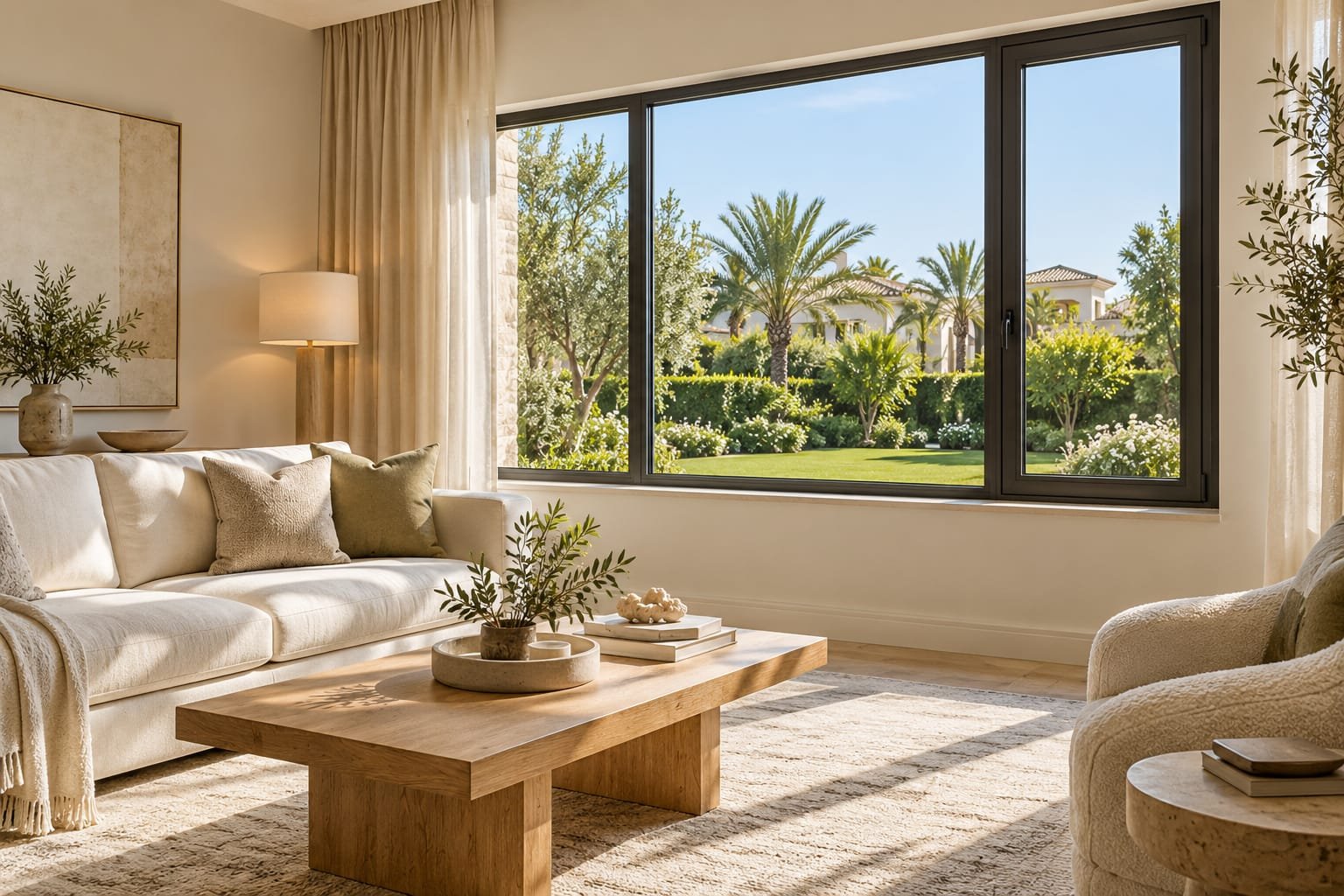
Aluminium frames are normally finished by anodising or powder coating to protect them from weather and add colour. Many systems also include a thermal break.
Anodised Aluminium Frames
Anodising thickens the natural protective layer of the aluminium through an electrochemical process. The finish is part of the metal, so it does not peel like paint. It typically gives a natural metallic look in silver, bronze or dark tones, with a more limited colour range. Anodised aluminium frame windows suit buyers who prefer a natural metallic appearance.
Powder-Coated Aluminium
A dry powder is applied to the frame and baked into a smooth, tough layer. The big advantage is colour choice, from black and white to grey, bronze and many other shades. Ask your supplier which standard the coating meets and what warranty applies, especially for windows facing direct sun.
Thermal Break Systems
Aluminium conducts heat quickly. A thermal break is an insulating strip placed inside the frame so that the inner and outer metal sections do not touch. It reduces heat transfer through the frame. It does not stop heat completely, so the glass and overall system still matter. For most UAE projects, thermal-break frames are worth considering.
Finish Comparison
| Finish | Look | Good to know |
| Anodised | Metallic, natural | Limited colour range |
| Powder coated | Wide range of colours | Check the finish standard and warranty |
Glass Options
Glass has a major effect on heat, noise, safety and energy use, so it matters as much as the frame. Common options include double-glazed, low-E, laminated, tempered and tinted or reflective glass.
- Double glazing: two panes with a sealed gap, which helps reduce heat transfer.
- Low-E glass: a thin coating that improves insulation by reducing heat transfer through the glass. Solar control is a separate property, because some coatings and tints also limit solar heat gain, so ask which one a product offers.
- Laminated glass: two panes bonded with an interlayer, which adds security and can improve sound performance.
- Tempered glass: heat-treated for strength; if it breaks, it forms small, blunt pieces.
- Tinted or reflective glass: helps reduce glare and brightness, and can add solar control on sunny facades.
These can be combined. For example, a window may use double-glazed, low-E glass with a laminated pane for added safety.
Design Ideas
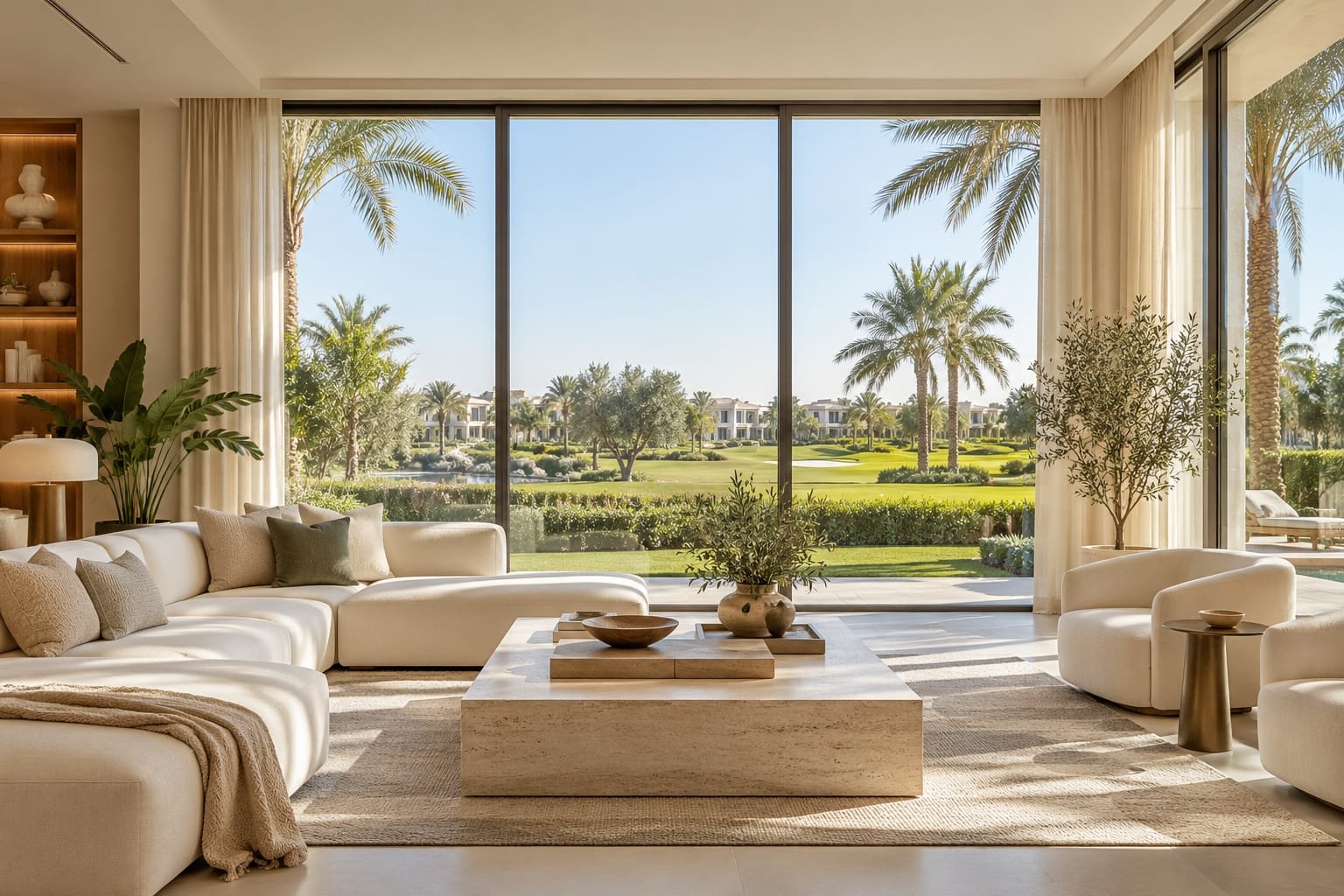
Slim frames, large glass areas and clean lines define modern aluminium window design. Floor-to-ceiling windows make rooms feel larger and brighter, but large glass needs the right glazing to control heat and glare. Planning shading, such as overhangs or blinds, together with the glass helps keep rooms comfortable.
Black aluminium windows are very popular and contrast well with light walls. White, grey, bronze and wood-effect finishes are also common. Choose a colour you will still like years from now, and try to keep frame colour, finish and handle style consistent across the building so the facade looks planned and coherent. The glazing specification can still vary by opening, as explained below.
Sliding Doors and Windows Together
Aluminium sliding doors work like very large sliding windows that reach the floor, connecting living areas to a balcony, patio or garden. Using the same frame style, colour and finish for doors and windows gives a consistent look and makes it easier to manage one supplier. Finishes can match while glazing specifications vary according to sun exposure and room requirements, so a west-facing living room and a shaded bedroom may need different glass behind the same-looking frames.
There is also a performance reason to treat them together. If the windows have thermal breaks but the doors do not, the doors become the weak point. Treat the whole glazed area as one system, and ask the supplier to confirm that doors and windows share the same frame quality and finish, and that the glass specification for each opening suits its sun exposure and room use.
Clad Windows
Aluminium clad wood windows combine a timber interior with an aluminium exterior. The wood gives a warm look indoors, while the aluminium shell protects against sun and weather. This is sometimes called aluminium window cladding, and it appeals to buyers who want the feel of timber without exposing wood to the elements.
They cost more than standard aluminium windows, and the interior wood still needs care. For most projects in the UAE, full aluminium systems are the simpler and more practical choice, but clad windows can suit premium homes where a warm interior look is a priority.
Commercial Windows
Commercial aluminium windows are systems selected according to dimensions, loads and required performance, used in offices, shops, schools and hospitals. Large commercial windows bring in daylight and create a strong first impression, and the glass can be specified for safety, solar control or sound reduction.
If you manage a project, ask for test reports covering wind load, water tightness and air leakage. These tell you how the system performs under real conditions, not just how it looks on a drawing. Industrial-style windows, with thin frames and many small panes, are also popular in cafes, offices and modern homes, and can be built with aluminium frames to give that look with modern performance.
Aluminium or Vinyl?
Aluminium offers strength, slimmer frames and larger glass areas, which suits modern homes and commercial buildings. Vinyl is usually lower in price and has good built-in insulation, which suits simple, budget-focused projects. Aluminium frames need a thermal break to perform well on heat.
Your budget, design goals and building requirements should guide the choice. If large glass areas and slim frames are priorities, aluminium is often the stronger fit. If the budget is tight and the openings are small and simple, vinyl may deserve a look.
Aluminium Windows in the UAE
In Dubai and across the UAE, the main challenges are heat, dust and strong sun. A good specification usually includes:
- Thermal-break aluminium frames.
- Double-glazed glass with low-E insulation and, where the facade needs it, solar control, suited to the facade orientation.
- Quality seals to limit dust and air leakage.
- A durable powder-coated or anodised finish with a clear warranty.
For buildings close to the coast, ask the supplier which finish suits salt-laden air and how often the frames should be cleaned. Also check any building, community or safety requirements that apply to your project before you finalise the order.
What Affects the Cost?
The cost of aluminium windows depends on size, window type, glass, frame system, finish, hardware and installation. Large, custom or high-performance windows cost more than small, standard ones.
- Size and type: large sliding or fixed windows cost more than small casements.
- Glass: double glazing, low-E, laminated and acoustic glass raise the price
- Frame system: thermal-break and commercial systems cost more than basic ones.
- Finish: special colours and finishes can add to the cost
- Installation: removal of old windows, making good and custom work add labour.
How to Choose the Right Windows
- Know your conditions: heat, dust, sun direction, noise and building height.
- Pick the window type: casement, sliding, awning or fixed.
- Choose the frame system: thermal break for most projects; a system approved for the proposed dimensions, glass weight and design loads.
- Select the glass: low-E double glazing for insulation, a solar control specification where sun exposure is strong, and laminated or acoustic specifications for noise and safety. Compare whole-window U-value, SHGC (solar heat gain coefficient) and visible light transmission.
- Decide on the finish: anodised or powder coated, in a colour that suits the building.
- Check hardware and warranty: rollers, hinges, locks and written warranty terms.
Care and Maintenance
Aluminium windows need little care. Wipe the frames and glass with a soft cloth and mild soapy water, and keep sliding tracks clear of dust and sand. Avoid harsh chemicals and abrasive pads that can damage the finish. For lubrication, seal replacement and any cleaning products, follow the manufacturer’s care instructions, and have the seals, rollers, hinges and handles checked from time to time.
If a window sticks, jumps or no longer closes properly, do not force it. Contact the installer or supplier so it can be inspected and adjusted correctly.
Comparison Table
| Window type | Best for | Pros | Cons |
| Casement | Homes, ventilation | Tight seal, strong airflow | Needs space to open |
| Sliding | Balconies, tight spaces | Easy to use, saves space | Track needs cleaning |
| Awning | Bathrooms, kitchens | Ventilation in light rain; close in wind-driven rain | Smaller opening |
| Fixed | Views, daylight | Simple, good sealing | Does not open |
FAQ
What are the benefits of aluminium windows?
Strength, slim frames, low maintenance, design choice and recyclability. With a thermal break and suitable glass, they can also perform well on comfort and energy use.
Are aluminium windows energy efficient?
They can be. A thermal break reduces heat transfer through the frame, and low-E double glazing improves insulation, while solar control glass limits solar heat gain. These are different properties. Ask for the whole-window U-value, SHGC and visible light transmission, not just the frame data.
Do double-glazed windows block noise?
Not automatically. Sound performance depends on the full specification, including glass thickness, interlayer, air gap, seals and installation.
What is the difference between anodised and powder-coated windows?
Anodising gives a hard, metallic finish that is part of the metal, with a limited colour range. Powder coating is a baked-on coloured layer with a much wider range of shades. Ask for the finish standard and warranty in either case.
Are aluminium windows suitable for commercial buildings?
Yes, when the system is selected according to the dimensions, loads and required performance of the project. Ask for test reports on wind, water and air performance.
Do casement windows open inward or outward?
Both are possible, depending on the window system and your space requirements.
Request an Enquiry from ARQEN
Planning aluminium windows or sliding doors for a villa, apartment or commercial project in Dubai or elsewhere in the UAE? Speak to ARQEN. Send your enquiry with your location, approximate window sizes, preferred window types and any drawings, and the team can help you move toward a clear, written specification and quote.
Contact ARQEN today to start your aluminium windows enquiry.
2 Comments
Aluminium Sliding Door: Types, Cost & Benefits Guide 2026
October 11, 2026
[…] or anodising, and a thermal break reduces heat transfer through the frame. For most UAE projects, a thermal-break system with a durable finish is worth […]
Bifold Doors in Dubai: 2026 Guide to Aluminium Systems
October 11, 2026
[…] aluminium systems include thermal breaks, which reduce heat transfer through the frame. This matters in a hot climate […]