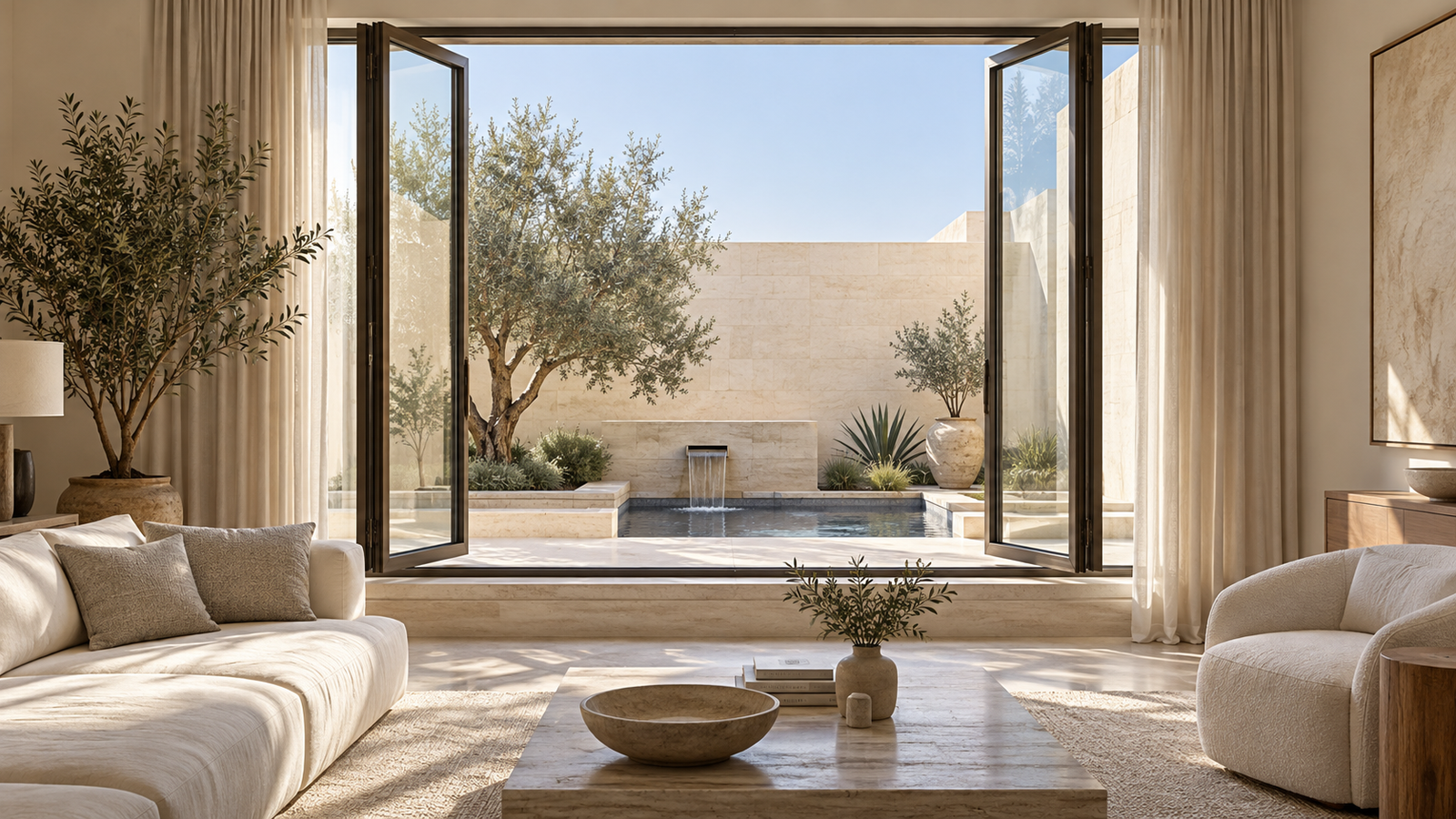
Fixed Aluminium Windows UAE | ARQEN Fixed Window System
Fixed aluminium windows UAE are a non-opening glazing solution built for projects where light, views, and a clean sightline matter more than ventilation. The ARQEN Fixed Window System, from Arqen Industries, is one configuration within this category, engineered to bring a large amount of usable glass into a wall without the hardware, hinges, or tracks that an opening window needs. Because a fixed window has no moving parts, it is often treated as an afterthought at the specification stage, yet it still has to meet demanding air and water tightness standards, so the profile, sealing, and glazing choices behind it matter as much as on any operable window.
This guide covers what the system includes, where it is used, how it compares with opening windows, what affects its performance and cost, and how to decide whether it fits a given opening.
The ARQEN Fixed Window System is a permanently sealed aluminium window: the sash does not open, tilt, or slide. Glass is set directly into the frame and sealed on all sides, which removes the hinges, tracks, handles, and locking hardware that opening windows rely on.
That structural simplicity is what makes fixed windows attractive for large glazed areas. Without hardware or a moving sash to accommodate, the frame profile can be slimmer, meaning more glass and less visible metal for the same opening size. It also means there are fewer parts that can eventually wear, loosen, or need adjustment, though as the Maintaining the System section below covers, this is a reduction in upkeep rather than an elimination of it.
Where Fixed Windows Work Best
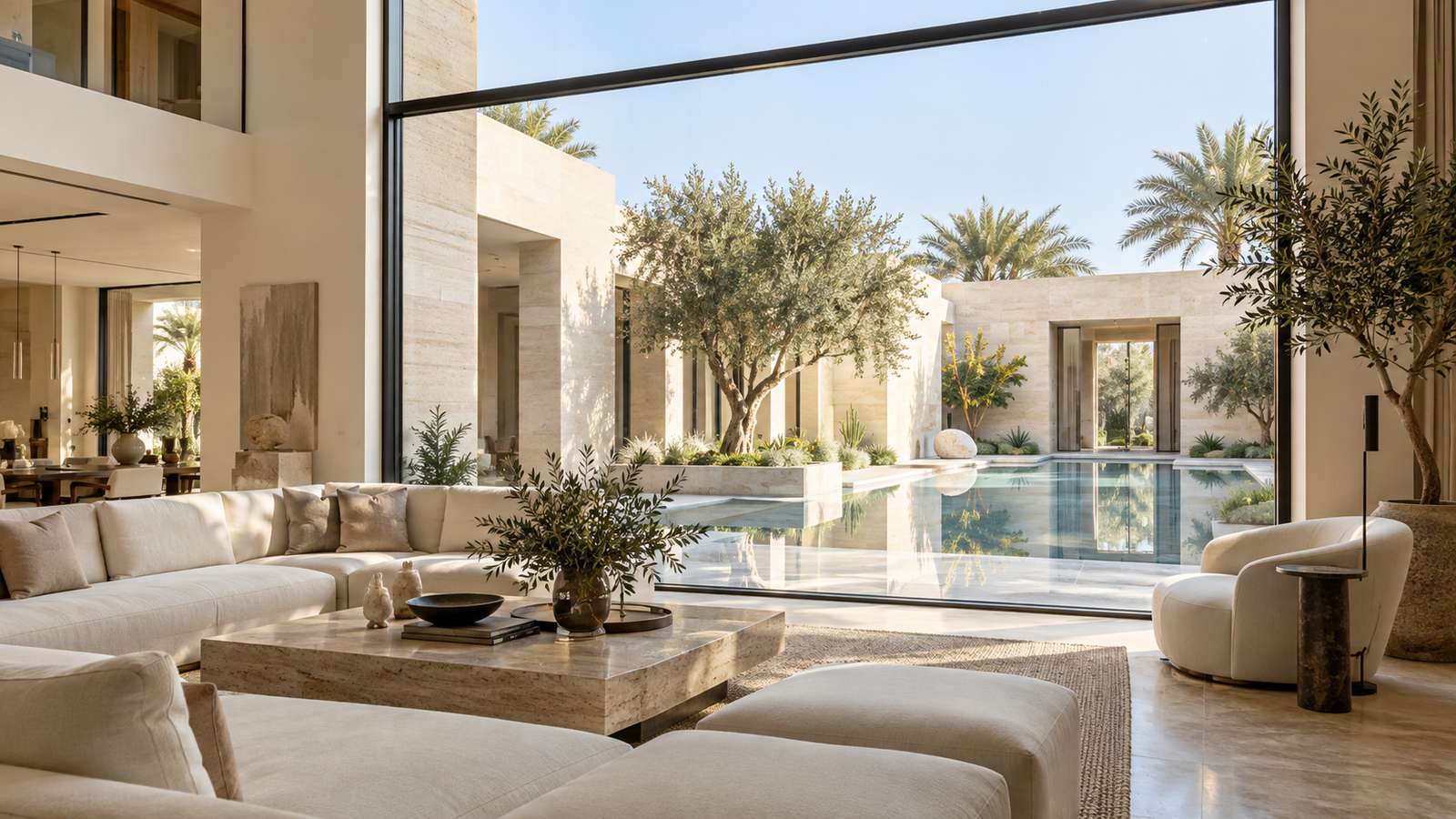
- Feature walls and floor-to-ceiling glazing where the view or daylight is the main design goal, and where interrupting it with hardware would work against the intent.
- Stairwells, double-height living areas, and lobbies where ventilation is already handled by adjacent openings or mechanical systems, so a non-opening panel does not leave the space under-ventilated.
- Combined with an opening configuration, such as a large fixed panel flanked by a smaller casement or awning unit, so the room gets both the glazed area and the airflow it needs.
- Commercial storefronts and office facades where uninterrupted glass is part of the design intent, and where operable hardware would visually compete with the brand or product being displayed.
- High-rise units, where a non-opening panel reduces long-term hardware maintenance. Exterior cleaning still needs to be planned for at height, via a cleaning cradle, rope access, or building maintenance unit, since a fixed panel does not open for interior-side cleaning of the outer glass face either.
Key Features
- Slim sightlines: without hinges or sashes to accommodate, frame widths can be reduced, increasing the visible glass area for a given opening.
- Fewer moving parts: a continuous perimeter seal with no hinge or track joints has less to wear out over time than opening-window hardware, though actual air and water tightness depends on the specific seal detail, installation quality, and any test certification behind it, not on being fixed alone.
- Thermal break profiles: aluminium sections are engineered to reduce heat transfer from outside to inside, supporting the same energy performance standard used across ARQEN’s window range.
- Structural glazing capability: for larger openings, the system can be specified with structural silicone glazing for a near-frameless exterior look, as an alternative to standard bead glazing.
- Broad glass compatibility: single glazed, double glazed, solar control, acoustic, and laminated safety glass can all be used within the system, covered in more detail under Glass Options below.
Specifications
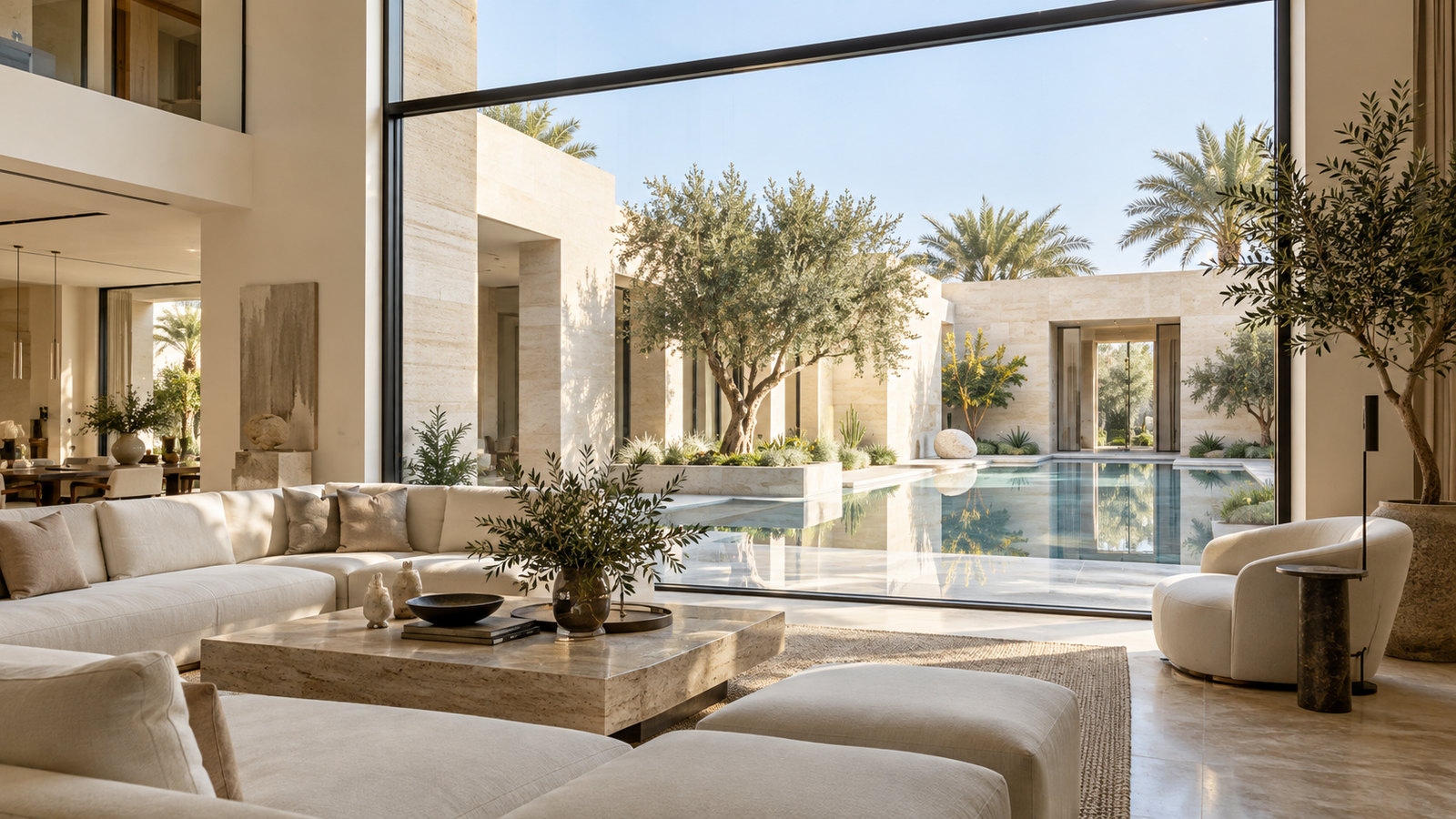
| Attribute | Detail | Why It Matters |
| Operation | Fixed, does not open | No hardware to maintain or replace |
| Frame | Thermal break aluminium | Reduces heat transfer, improves comfort |
| Glazing | Single, double, solar control, acoustic, laminated | Matched to orientation and noise exposure |
| Sealing | Continuous perimeter seal | Fewer moving joints than an opening sash |
| Warranty | To confirm with Arqen (see Why Arqen Industries below) | Long-term performance assurance |
Fixed vs. Opening Configurations
Choosing between a fixed panel and an opening configuration, such as casement, awning, or tilt and turn, is mainly a ventilation trade-off, not a question of one being categorically better than the other.
- Ventilation: opening windows allow airflow; fixed windows do not. A fixed panel cannot be the only glazing in a room that needs natural ventilation.
- Sightlines: fixed panels allow the slimmest frames, since there is no hardware to house within the profile.
- Maintenance: without hinges, rollers, or locking hardware, there is less to service. Cleaning still covers the glass, the frame, and the seal, not the glass alone, as the Maintaining the System section below sets out.
- Cost: fixed panels are typically the most cost-efficient configuration per square metre, since they use less hardware and are simpler to manufacture and install.
- Weather performance: both configurations can achieve strong air and water tightness when properly specified and installed. Fixed glazing’s advantage is having fewer moving joints to maintain, not an inherent or automatic superiority. Ask for the relevant test data, such as AAMA, BS, or an equivalent standard, for the specific system and configuration being specified.
In most real projects, the answer is not fixed or opening, it is both, arranged so each does the job it is best suited for.
Glass Options
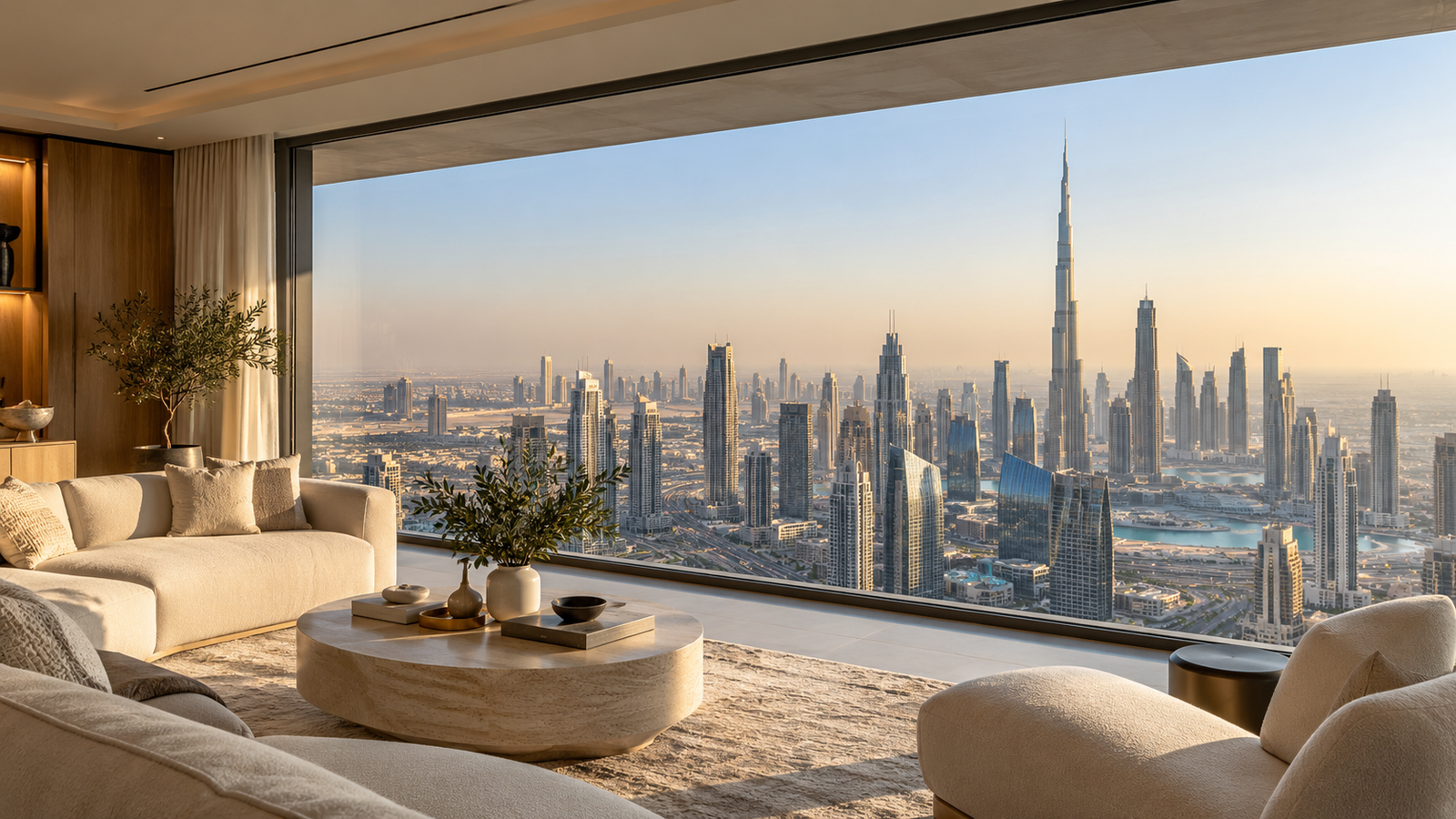
These are glass build-ups, independent of how the glass is physically secured to the frame; the fixing method itself is covered separately under Glazing Methods below.
- Single glazed: suited to internal glazing or secondary openings where thermal performance is not the main concern.
- Double glazed: the standard recommendation for external fixed panels in the UAE, cutting heat transfer relative to single glazing.
- Solar control glass: worth specifying on west- and south-facing fixed walls that take direct sun for much of the day, reducing glare and heat gain without excessively darkening the interior.
- Acoustic laminated glass: worth considering on fixed panels facing busy roads, since large glass areas are also large surfaces for sound transmission.
Glazing Methods
How the glass is fixed into the frame is a separate decision from which glass build-up is used, and the two are often confused.
- Bead glazing: the standard method, using glazing beads to hold and seal the glass in the frame.
- Structural silicone glazing: for feature walls where even a slim bead frame is considered too visible, the glass is bonded to the frame with structural silicone for a flush, near-frameless exterior appearance. This is primarily a visual and installation choice; Arqen would need to provide comparative test data before this is described as offering any additional resistance to forced entry over bead glazing.
Installing the System
- Precise opening measurement, since a fixed panel is glazed to a fixed size before installation and cannot be adjusted on site the way a sash sometimes can.
- Frame setting and levelling into the rough opening, checked for square before final fixing.
- Perimeter sealing between the frame and surrounding structure, a key step for long-term water tightness on any window, fixed or opening.
- Glazing installation, via conventional beads or structural silicone for frameless applications.
- Final inspection of seal continuity, glass alignment, and frame fixings before handover.
Installation quality matters for any window system. On a fixed panel, inspection naturally focuses more on the seal and glazing than on hardware, simply because there is no hardware to check. Ask your installer for a project-specific timeline, since actual duration depends on the number of openings, access, and whether it is new construction or a retrofit.
Maintaining the System
Fixed windows need less routine maintenance than opening configurations, but less is not the same as none. Follow Arqen’s manufacturer maintenance instructions, which generally include the points below.
- Cleaning the glass regularly with a non-abrasive cleaner, particularly on large feature panels where dust and water spotting are more visible.
- Checking the perimeter seal periodically for cracking, shrinkage, or gaps.
- Inspecting the frame finish and any drainage provisions specified for the installation.
- Rinsing coastal-facing units more frequently to prevent salt deposits from etching into the glass surface.
- Avoiding pressure-washing directly into the seal line, which can force water past an otherwise intact seal.
- Planning exterior access for high-rise or hard-to-reach installations, since the panel itself provides no interior-side access to the outer glass face.
What Affects Pricing
- Panel size: larger openings require thicker glass and more robust structural support, affecting cost per square metre.
- Glass and glazing method: moving from single to double glazing, adding solar control or acoustic glass, or specifying structural silicone glazing instead of bead glazing all add cost alongside their performance or appearance benefit.
- Finish: standard powder coating is more economical than custom RAL colour matching.
- Access and height: high-rise or difficult-access installations increase installation cost independent of the window itself.
Because fixed panels skip hardware entirely, they are generally the most budget-friendly configuration in the ARQEN Window System lineup for a given glass area, one reason they are often paired with pricier opening configurations to balance a project’s overall glazing budget. A project-specific quote remains the most reliable way to get an accurate number.
Common Mistakes When Specifying Fixed Windows
- Using fixed panels for an entire room without an actual ventilation strategy, whether that is a paired opening unit, adjacent openings, or mechanical ventilation.
- Skipping solar control glazing on large west-facing fixed walls and relying entirely on air conditioning to compensate.
- Underspecifying perimeter sealing detail for the project’s exposure conditions.
- Choosing bead glazing when the brief calls for a frameless look, resulting in a visible frame that was not part of the intended aesthetic.
Customisation Options
- Frame colour: standard powder-coated finishes or custom RAL colour matching.
- Sightline width: standard bead-glazed frames, or structural silicone glazing for a more minimal frame appearance.
- Panel size and shape: large single-piece formats or slim-mullion multi-panel compositions, within structural glass limits.
- Division bars: decorative grille or bar patterns for a more traditional design language, without changing the underlying performance.
Energy Efficiency Considerations
Large areas of fixed glass are often a significant source of heat gain in UAE buildings, since glass transmits heat more readily than an insulated wall. Getting the glazing specification right has a meaningful effect on cooling costs.
Double glazing with a solar control coating is a practical starting point for most external fixed panels. On larger west- or south-facing walls, it is worth checking the specific coating’s solar heat gain coefficient rather than assuming all solar control glass performs the same. External shading devices or deep overhangs can further reduce glazing load on very large glazed areas without darkening the interior.
Thermal break aluminium framing plays a supporting role too. Even though the frame is a smaller share of a fixed panel’s total area than on an opening window, the frame perimeter still adds up on a large panel, and a thermal break limits it from acting as a continuous heat-transfer path around the glass.
Design Considerations
- Pair fixed panels with a ventilation strategy suited to the room, whether an operable window positioned for cross-ventilation, adjacent openings, or mechanical ventilation, rather than assuming any single layout applies to every space.
- Use fixed glazing at the top of a wall and an opening configuration below it, keeping sightlines clean at eye level while still allowing airflow where needed.
- On multi-panel feature walls, plan mullion placement around furniture layout and views rather than defaulting to even spacing.
- Where privacy is a concern at lower levels, consider frosted or fritted glass within the fixed panel rather than reducing panel size.
Fixed Windows and Building Codes in the UAE
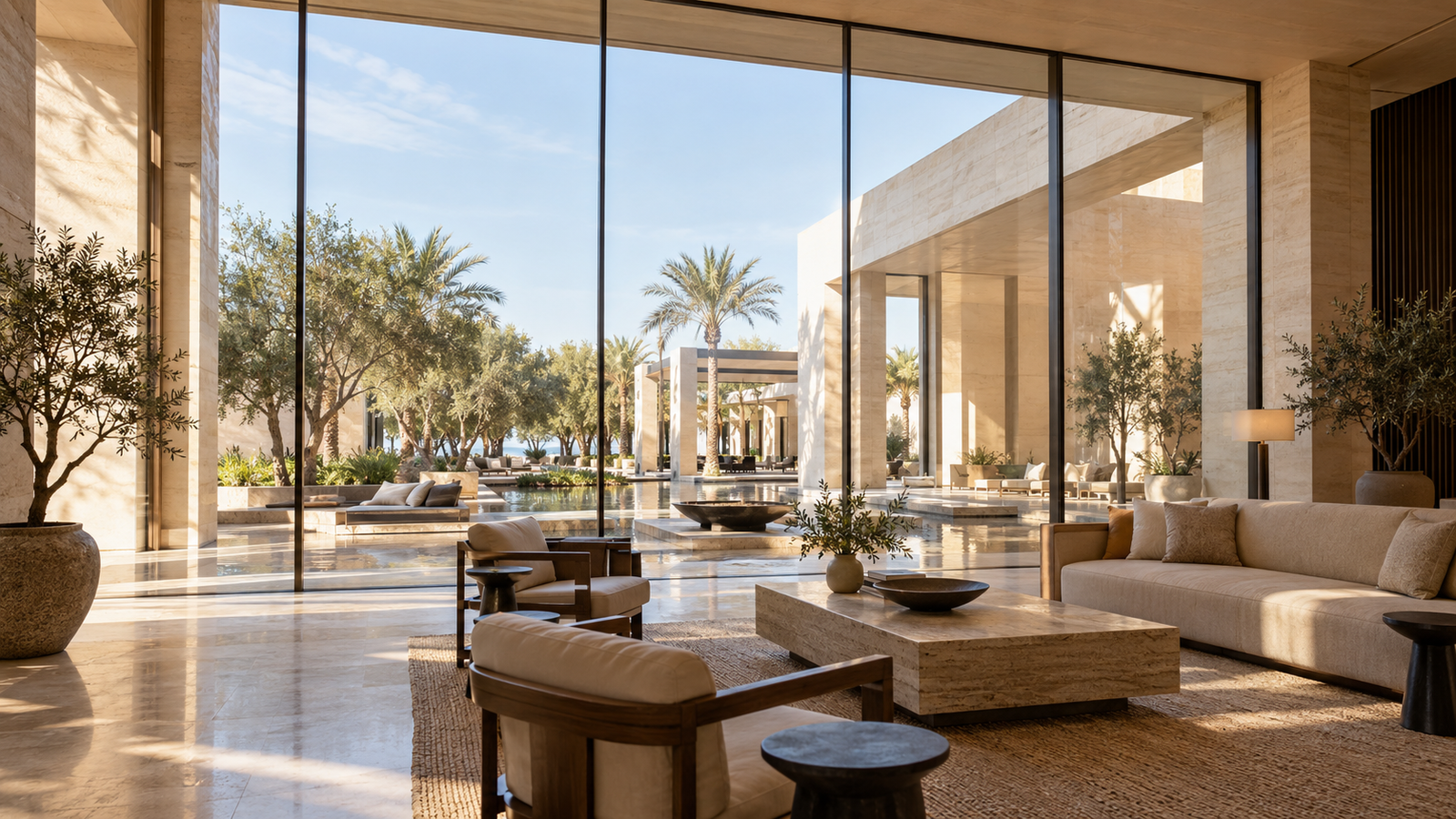
Any glazing specified for a UAE project, fixed or opening, needs to meet the structural, fire, and safety requirements set by the relevant local authority for that emirate, alongside any developer or master-plan design guidelines that apply to the building. For fixed glazing specifically, this typically touches on glass type and thickness for the panel size, safety glazing requirements at low level or near walkways, and structural load requirements for wind pressure on larger panels.Working with a supplier that can provide test certification against a recognised standard, rather than a general claim of compliance, makes the approval process smoother and gives the project a documented basis for the glazing choice if it is ever queried later.
Fixed Windows Compared with Other Glazing Materials
Aluminium is not the only frame material available for fixed glazing in the UAE, and it is worth understanding where it sits relative to the alternatives before assuming it is the automatic choice.
- Aluminium vs. uPVC: aluminium generally offers a slimmer sightline and higher structural strength for larger panels, while uPVC can offer strong thermal performance at a lower cost for smaller openings; the right choice depends on panel size and the sightline the design calls for.
- Aluminium vs. timber: timber offers a warmer aesthetic but requires more regular maintenance in the UAE’s heat and humidity, and is more prone to movement over time than a well-specified aluminium frame.
- Aluminium vs. steel: steel framing can achieve very slim sightlines similar to structural silicone glazed aluminium, but typically at a higher cost and with its own corrosion-protection requirements in a coastal climate.
None of these comparisons make aluminium the universal answer. They are a starting point for a supplier conversation about the specific panel size, budget, and appearance a project needs, with any performance comparison backed by test data rather than a general claim.
Why Arqen Industries
Arqen Industries brings more than 60 years of experience in aluminium fabrication to the ARQEN Fixed Window System. Profile origin and manufacturing standards, and the exact warranty coverage, should be confirmed with Arqen’s technical team and stated precisely before this section goes live, rather than repeated from general marketing language.
Frequently Asked Questions
What is the ARQEN Fixed Window System?
A non-opening aluminium window built by Arqen Industries, designed for maximum glass area, slim sightlines, and strong air and water tightness, suited to UAE climate conditions.
Can it be combined with opening windows?
Yes. Pairing a large fixed panel with a smaller casement, awning, or tilt and turn unit on the same elevation is common practice for daylight plus ventilation.
Is it more affordable than opening windows?
Generally yes, since fixed panels have no hinges, handles, or locking hardware, making them typically the most cost-efficient configuration per square metre in the range.
What glass options are available?
Single glazed, double glazed, solar control, and acoustic laminated glass, secured via standard bead glazing or structural silicone glazing depending on the look required. Confirm against Arqen’s current approved product range.
How much maintenance does it need?
Less than opening configurations, but still regular glass cleaning plus periodic checks of the perimeter seal, frame finish, and any drainage provisions.
Does it come with a warranty?
Arqen’s window range is backed by a manufacturer’s warranty; confirm the exact term and coverage with Arqen before ordering, since published wording varies by source.
Can it be used for large feature walls?
Yes. With structural silicone glazing and appropriately sized glass panels, the system suits floor-to-ceiling feature walls and large-format glazing where a frameless or near-frameless look is the goal.
Does a fixed window perform better in air and water tightness than an opening window?
Not automatically. Both can achieve strong performance when properly specified, sealed, and installed. A fixed panel has fewer moving joints to maintain, which is an advantage over time, but actual performance should be confirmed against test data for the specific system.
Get the Right Fixed Glazing for Your Project
Whether the goal is a floor-to-ceiling feature wall, a frameless structural glazing look, or a cost-efficient way to bring more daylight into a space, the ARQEN Fixed Window System is built for clean sightlines without compromising sealing or thermal performance. It works as a standalone glazing solution for view-focused rooms and as a complement to opening configurations elsewhere on the same elevation. For an overview of how fixed compares with awning, casement, and tilt and turn, see How to Choose Aluminium Windows in the UAE. Share your opening dimensions, project location, and glazing requirements with the team to get a suitable specification and quote: get in touch with Arqen Industries.
5 Comments
Tilt and Turn Windows UAE | Modern & Energy Efficient
October 1, 2026
[…] casement: both open on a side hinge, but a casement typically opens outward while a tilt-and-turn opens inward and adds a tilt position. Which is easier to fit depends on whether exterior or […]
Aluminium Casement Windows in the UAE | Free Quote
October 1, 2026
[…] Casement windows need room to swing, so they work best where nothing outside, such as a balcony rail or shading device, or inside, such as furniture and curtains, gets in the way. […]
Aluminium Windows UAE | Durable & Modern Window Solutions
October 1, 2026
[…] Aluminium windows generally fall into a handful of operating styles, and the right one depends on the room, not a single best answer across a whole project. Sliding and minimal sliding windows are also part of ARQEN’s broader product range and are worth a look if a space-saving, wide-opening format is what a project needs. This guide focuses on the four configurations below, since they cover most of the day-to-day decisions a homeowner or specifier needs to make room by room. […]
Aluminium Awning Windows in the UAE: Benefits and Limitations
October 3, 2026
[…] an awning window compares with casement, tilt and turn, or fixed glazing depends on the actual dimensions, opening limits, hardware, and glazing specified for each, rather […]
Door Window and Facade System | UAE
October 3, 2026
[…] costs matter more. A mismatched system with different suppliers for doors, windows, and facades often leads to inconsistent servicing and higher long-term […]