What are fixed louver system and how do they work?
A louver window is made of angled glass or aluminium slats that overlap like blinds, letting you control airflow and light while keeping out rain and direct sun. In Dubai, you’ll mostly see them in bathrooms, kitchens, stairwells, and utility rooms anywhere ventilation matters more than a full-opening window.
Say you’re renovating a bathroom or fitting out a stairwell in a Dubai villa, and you fixed-louver-system need fresh air moving through the space without installing a window that swings wide open onto a neighbour’s wall. That’s exactly the gap a louver window fills. It’s a small detail in a building’s design, but get it wrong, and you end up with a stuffy bathroom or a security weak point; get it right and it quietly does its job for decades. This guide is written from Arqen Industries’ day-to-day experience specifying and installing aluminium windows across Dubai villas, towers, and commercial fit-outs, so the recommendations here reflect what actually holds up in the UAE’s heat, humidity, and coastal air, not just general window theory. We’ll walk through what a louver window is, the types you’ll come across, where it earns its keep, what changes the price, and how it stacks up against sliding, casement, and fixed windows.
What Exactly Is a fixed-louver-system?
Picture a set of window blinds, but built out of glass or aluminium and fixed permanently into a window frame that’s essentially a louver window. It’s made of narrow, angled slats that overlap slightly, so air can pass through the gaps even when the window looks closed from a distance. A fixed louver keeps those slats locked in one position forever. An adjustable (or louvered casement) version lets you crank the slats open or shut with a small lever, so you decide how much air and light gets in at any given moment.
The overlap between the slats is what makes a louver window different from, say, an awning window or a standard casement window. Rain tends to hit the top of each slat and run off, rather than driving straight through, and direct sun gets broken up rather than beaming straight into the room. You get airflow without fully sacrificing weather protection which is exactly why this window type is so common in ventilation-heavy spots across Dubai homes and buildings.
Types of fixed-louver-system
Adjustable glass louver window glass slats that tilt open and closed using a lever, giving full control over ventilation.
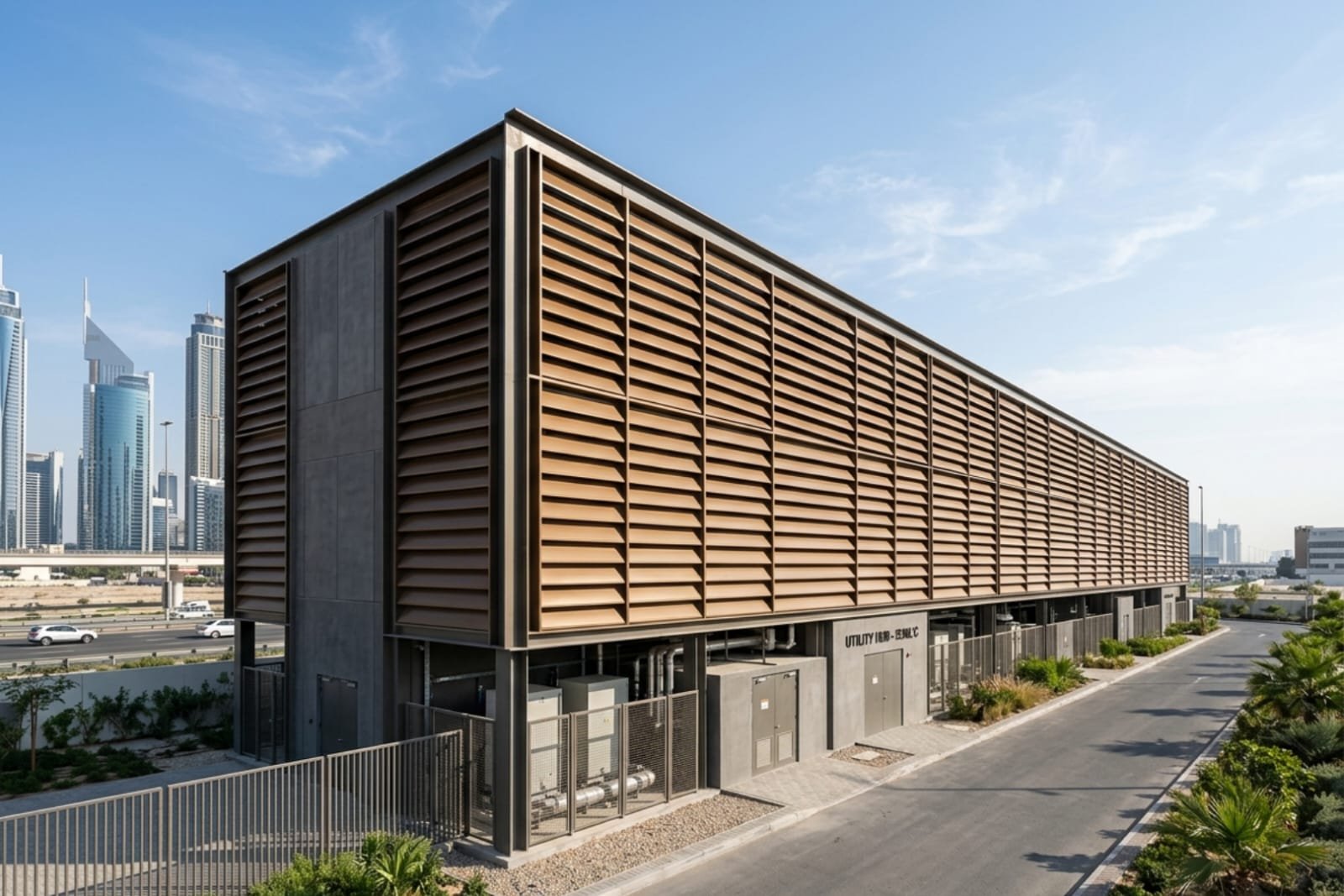
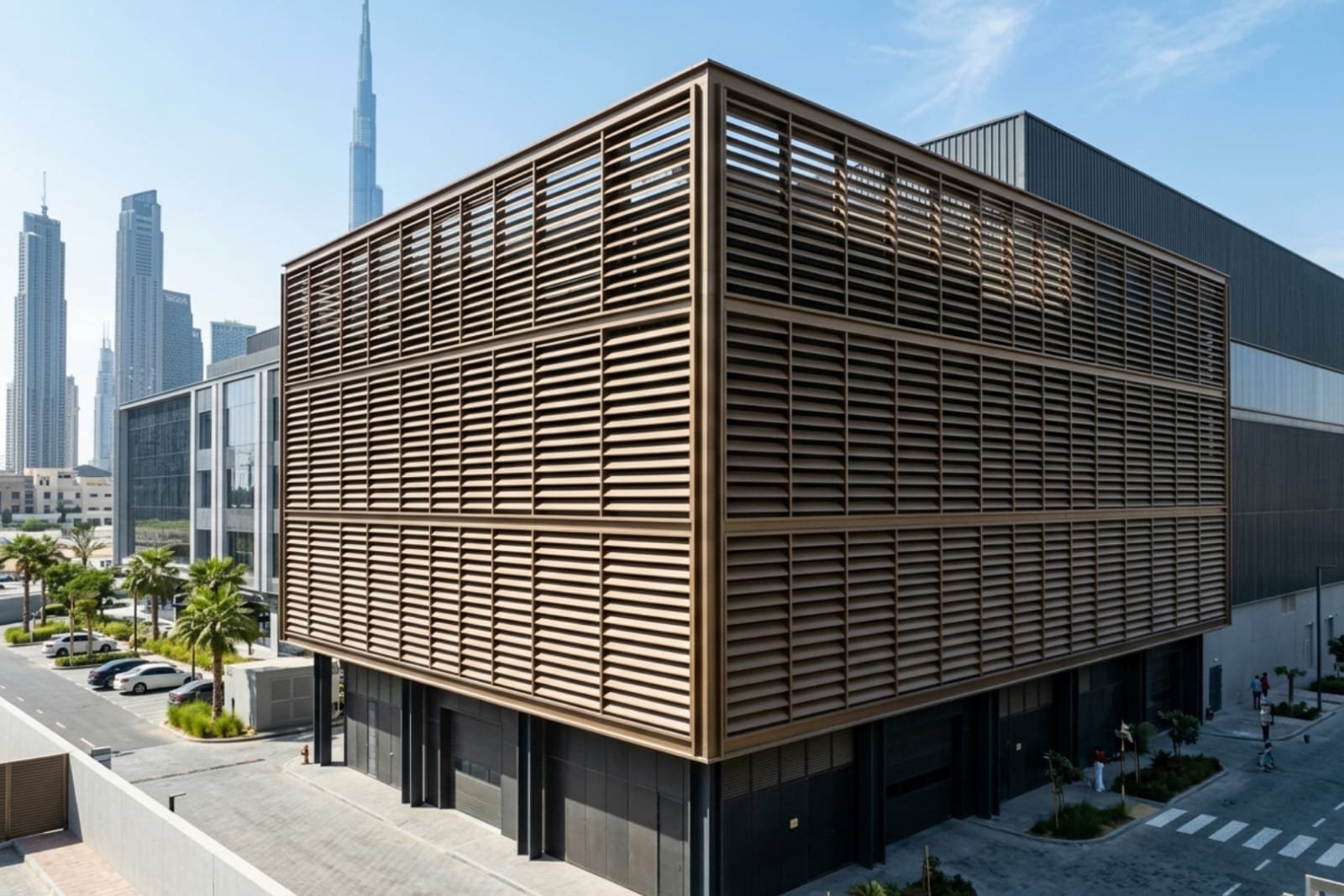
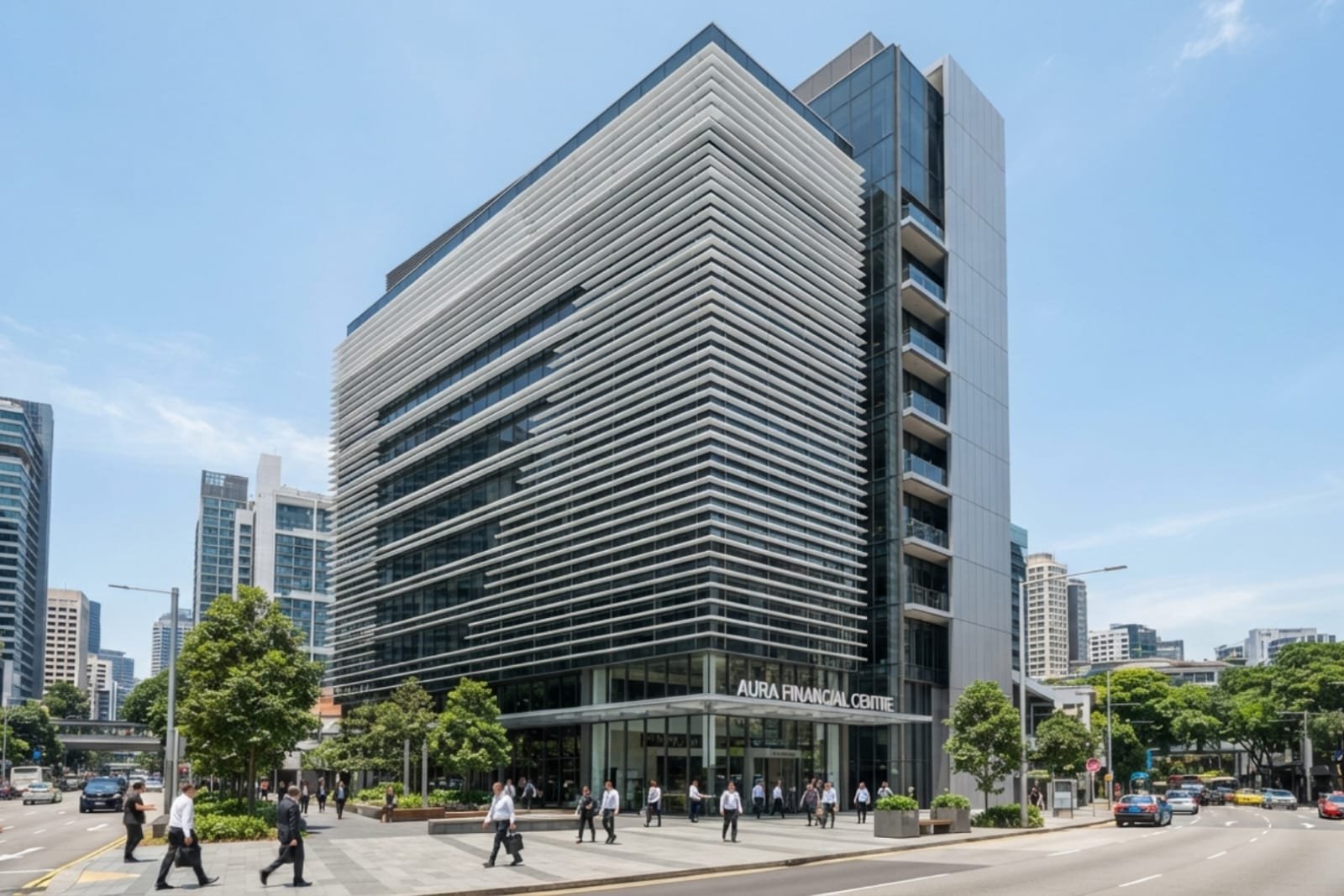
Fixed aluminium louver angled aluminium slats that stay in a permanent position, often used for shading and ventilation on facades, plant rooms, or boundary screens.
Combination louver panel a louver section built into a larger window or door system, commonly used alongside a sliding or fixed window to add extra airflow without changing the main window’s design.
Security louver window a heavier-duty louver system with reinforced slats or an added grille, used where ventilation is needed but security is also a priority, such as ground-floor utility rooms.
Why fixed-louver-system Work Well in Dubai and the UAE
Ask any contractor who’s worked on Dubai villas for a while, and they’ll tell you louver windows solve a very specific problem: how do you ventilate a space without exposing it to the sun, sudden rain, or prying eyes? Here’s what makes them worth considering:
Ventilation without direct sun or rain: The angled slats let air through while blocking direct sunlight and rain, useful for Dubai’s short but heavy rain spells and intense summer sun.
Better airflow control:let you fine-tune ventilation, which is especially useful in bathrooms, kitchens, and laundry areas where steam and odours need to escape.Privacy with airflow: Because the slats overlap, a louver window allows air in while limiting direct visibility from outside, useful for ground-floor rooms and bathrooms facing a street or neighbouring building.Good for hard-to-reach or narrow spaces: Louver windows are often used in stairwells, corridors, and utility areas where a standard opening window would be impractical.Facade shading: Fixed aluminium louvers are also used on building exteriors to reduce solar heat gain on walls and mechanical rooms, supporting better energy performance across a property.
Fixed Louver System Design Ideas Worth Considering
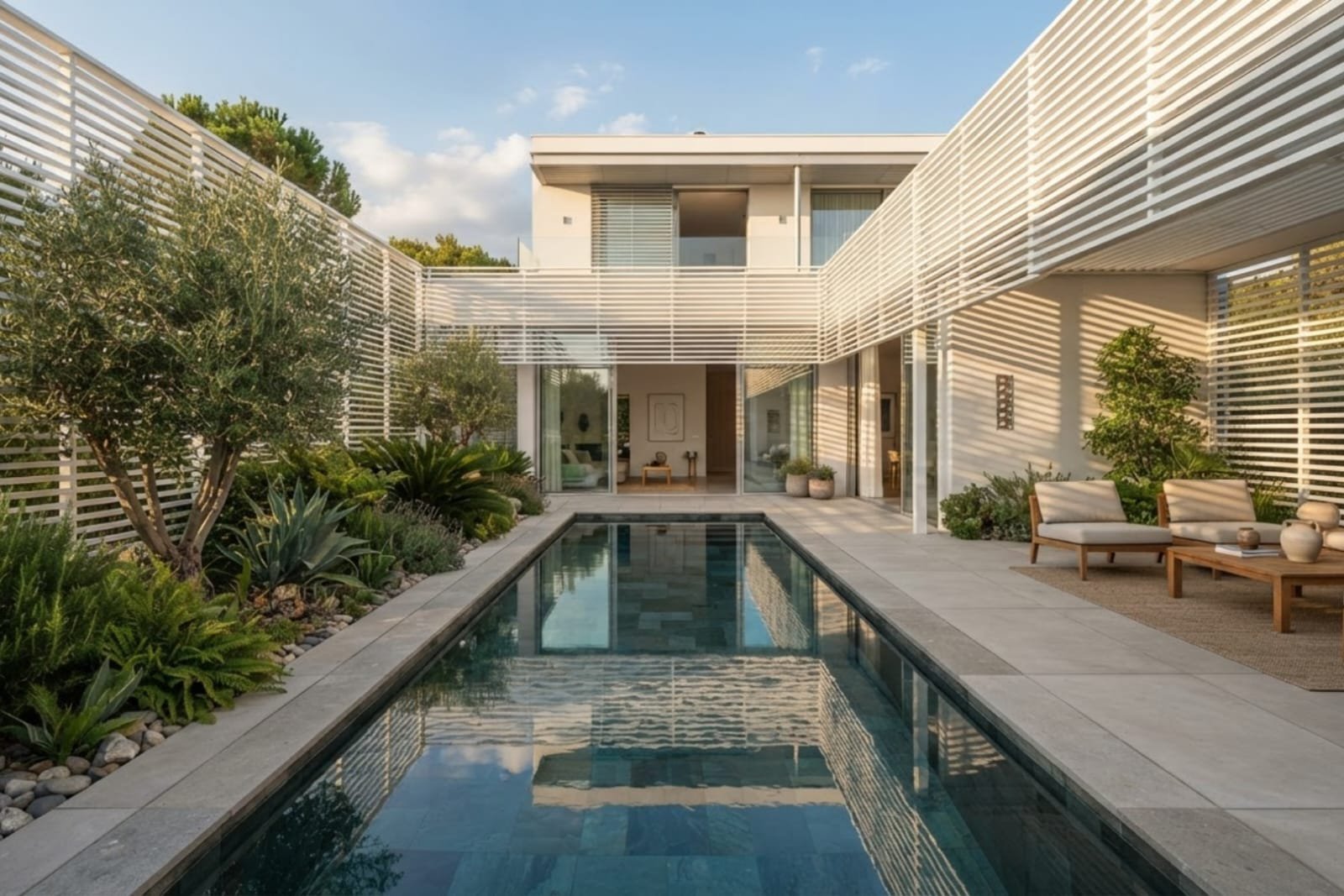
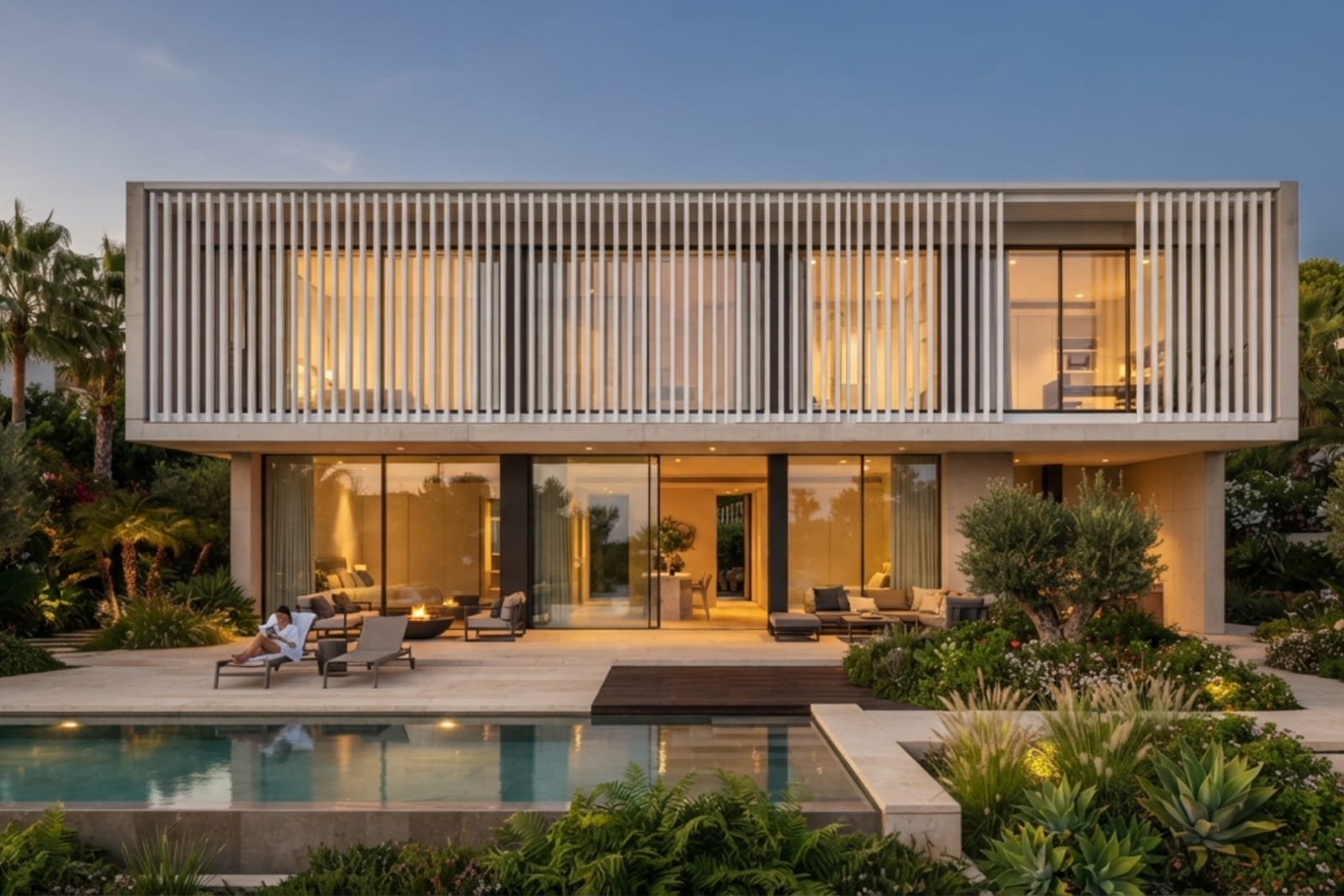
Louver windows don’t have to look purely functional. Glass louvers with slim aluminium frames give a clean, contemporary look that suits modern villa bathrooms and powder rooms. For a more architectural statement, fixed aluminium louver screens are increasingly used as a facade feature in Dubai, wrapping a stairwell or shading a west-facing wall while still reading as a deliberate design choice rather than just a vent. If privacy is the priority, angling the slats slightly steeper limits sightlines from outside without cutting off airflow, which works well for ground-floor bathrooms facing a shared wall or driveway.
Where to Use a Fixed Louver System
Louver windows are most useful in spaces where ventilation matters more than a clear view. In Dubai villas and apartments, they are commonly installed in bathrooms, kitchens, laundry rooms, and stairwells, where steam, odours, or stale air need a way out. They are also used in utility areas such as plant rooms, storage areas, and service corridors, where airflow is needed but a large glazed window is not necessary. On a larger scale, fixed aluminium louvers are used on facades and rooftop plant enclosures to provide shading and ventilation for mechanical equipment, and as a design feature on some modern villa exteriors.
Fixed Louver System vs Other Window Types
The main difference between a louver window and a fixed window is airflow. A fixed window does not open at all, while a louver window is designed specifically to let air pass through even when it looks mostly closed. Compared to a casement or sliding window, a louver window offers finer control over how much air enters, since the slats can be angled rather than simply open or shut, though it usually lets in less total airflow than a fully opened casement or sliding panel of the same size.
In terms of security, a fixed window is generally more secure since it cannot be opened at all, while a standard louver window can be a weaker point if the slats are not reinforced. This is why security-rated louver systems, with heavier slats or an added grille, are recommended for ground-floor rooms or easily accessible openings.
What Affects the Price of a Fixed Louver System in Dubai?
Louver window pricing depends on a few key factors rather than a single flat rate. The main things that change the price are the slat material, the operating mechanism, and the size of the opening.
Slat material: Glass louvers typically cost more than aluminium louvers, but offer a cleaner, more modern look.
Fixed vs adjustable: A fixed louver is generally more affordable than an adjustable system with a lever or crank mechanism.
Size and number of panels: Larger openings or multi-panel louver sections increase material and hardware cost.
Security features: Reinforced slats or an added security grille will add to the overall price but improve protection.
Because these factors vary from project to project, it’s best to request a site-specific quotation rather than relying on a general estimate.
How to Choose a fixed-louver-system Supplier in Dubai
Ask for UAE projects experience, especially for the specific use case you need residential ventilation, facade shading, or plant room louvers.Confirm whether you need a fixed or adjustable system, since this affects both price and long-term functionality.Check the slat material and finish warranty separately from any glass warranty, if glass louvers are used.If the louver window will be at ground level or easily accessible, ask about security-rated options with reinforced slats.
Why Choose Arqen Industries
Arqen Industries designs, manufactures, and installs aluminium doors, windows, curtain walls, and facade systems engineered specifically for the UAE’s climate, from slim sliding doors and bi-fold systems to full-height pivot entrances and commercial curtain wall facades. We work with European-engineered profile systems and back every installation with a structural warranty, so your louver windows are specified with the right slat material, operating mechanism, and finish for Dubai’s heat, humidity, and coastal conditions, supported by local project experience across villas, residential towers, and commercial developments.
If you’re planning a villa, apartment, or commercial project in Dubai and need the right balance of ventilation, privacy, and security, our team at Arqen Industries can help you choose the right louver window type and specification for your space.
Frequently Asked Questions
What is a Fixed Louver System used for?
A fixed louver system is mainly used to control airflow and ventilation while blocking direct sun and rain. It is commonly used in bathrooms, kitchens, stairwells, and utility areas where fresh air is needed without a full opening window.
Can a Fixed Louver System be closed completely?
An adjustable louver window can be closed by tilting the slats flat against each other, though some airflow may still pass through small gaps. A fixed louver window stays in one position and is not designed to fully seal like a casement or sliding window.
Are Fixed Louver System secure?
Standard louver windows can be a weaker security point since the slats may be removable from outside. For ground-floor rooms or easily accessible openings, a security-rated louver with reinforced slats or an added grille is recommended.
Do Fixed Louver System let in rain?
Properly angled louver slats are designed to block most direct rain while still allowing air to pass through, though very heavy or wind-driven rain can occasionally get through the gaps, similar to any ventilation opening.
Are louver windows good for bathrooms in Dubai?
Yes. Louver windows are a popular choice for bathrooms in the UAE because they allow steam and odours to escape while maintaining a level of privacy that a fully glazed opening window would not offer.
Ready to add louver windows, doors, or a full facade to your project?
Get in touch with Arqen Industries today for a free consultation and project-specific quotation. Visit arqenindustries.com to explore our full range of aluminium windows, doors, curtain walls, and facade systems designed for Dubai and the wider UAE.