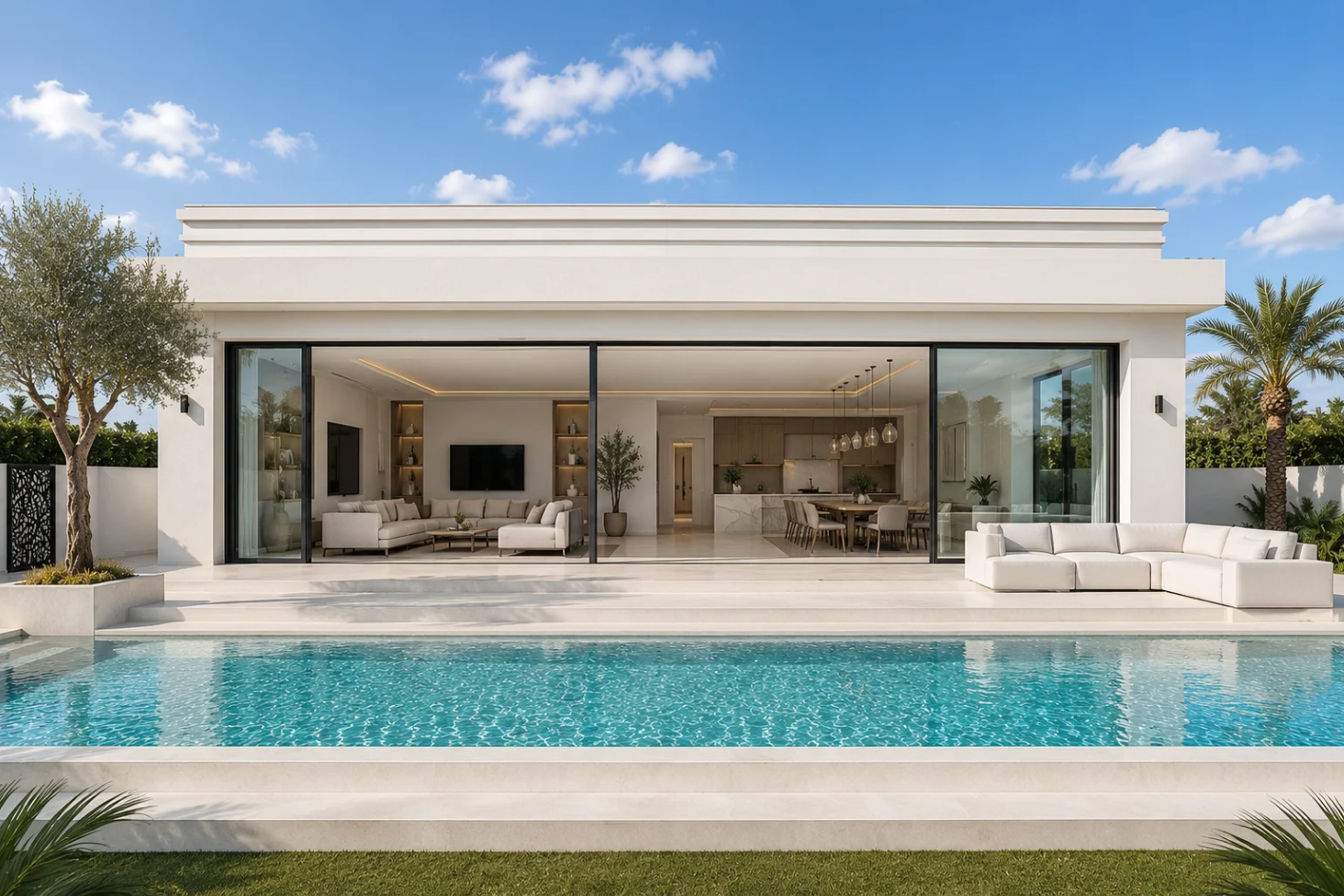
Minimal sliding window Dubai | slim frame by arqen
A client once asked me, half joking, why she was paying so much extra just to see less of the window she bought. It’s a fair question on the surface. But what she was actually paying for wasn’t less window, it was less frame, and there’s a real difference between the two once you understand what’s happening behind that thin strip of aluminium.
A minimal sliding window system is built around one specific goal, shrinking the visible frame down to the smallest dimension physically possible while still holding the glass securely and sealing properly against heat, dust, and water. Where a standard aluminium window frame might run anywhere from 50 to 70 millimetres wide at the sightlines, a Minimal Sliding Window can bring that down to somewhere between 20 and 40 millimetres, depending on the specific profile and glazing thickness. That difference sounds small on paper. Stand in front of a wall of glass with a 70mm frame next to one with a 25mm frame and the difference stops being subtle.
What Minimal Actually Refers To
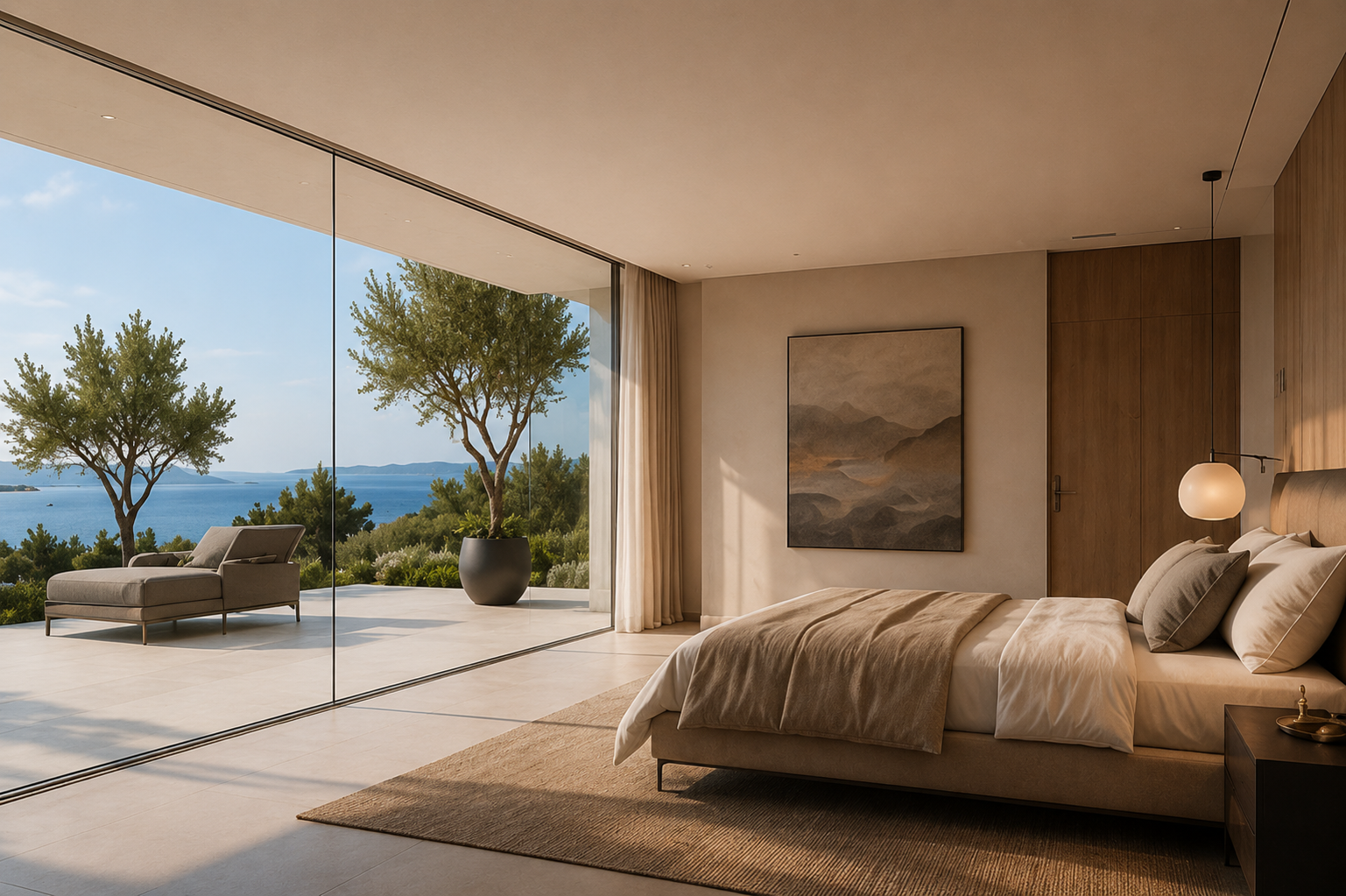
The term gets used loosely in marketing, so it’s worth being precise about what it means technically. In window manufacturing, the sightlines is the visible width of the frame and sash when you’re standing in front of the window looking at it head-on, not the overall depth of the profile, just what your eye actually registers as frame rather than glass. A minimal system is specifically engineered to reduce that sightlines as far as the structural and thermal requirements will allow.This isn’t just a thinner version of a regular frame. Getting the sightlines down that far while still meeting wind load, water tightness, and thermal performance standards requires a completely different profile design, often using high-strength aluminium alloys, reinforced corner joints, and sometimes structural glazing techniques where the glass itself contributes to the rigidity of the system rather than relying purely on the frame.
How minimal-sliding-window-system Actually Works
The sliding mechanism in a minimal system isn’t fundamentally different from a standard sliding window; panels still move horizontally along a track.What changes is how much of that track and hardware stays visible. Premium minimal systems often use a recessed or partially hidden track, sometimes combined with a pocket detail that lets one panel slide into a cavity within the wall, similar in principle to a pocket door, so that when fully open, there’s no visible frame interrupting the opening at all.
Locking hardware gets reworked too.Standard sliding windows often use a visible latch or handle mounted on the surface of the sash. Minimal systems frequently integrate a two-point locking mechanism built directly into the slim profile itself, operated by a low-profile lever rather than a bulky external handle, so the hardware doesn’t undercut the clean lines the whole system is built around.
Why Dubai’s Architecture Leans Into This So Heavily
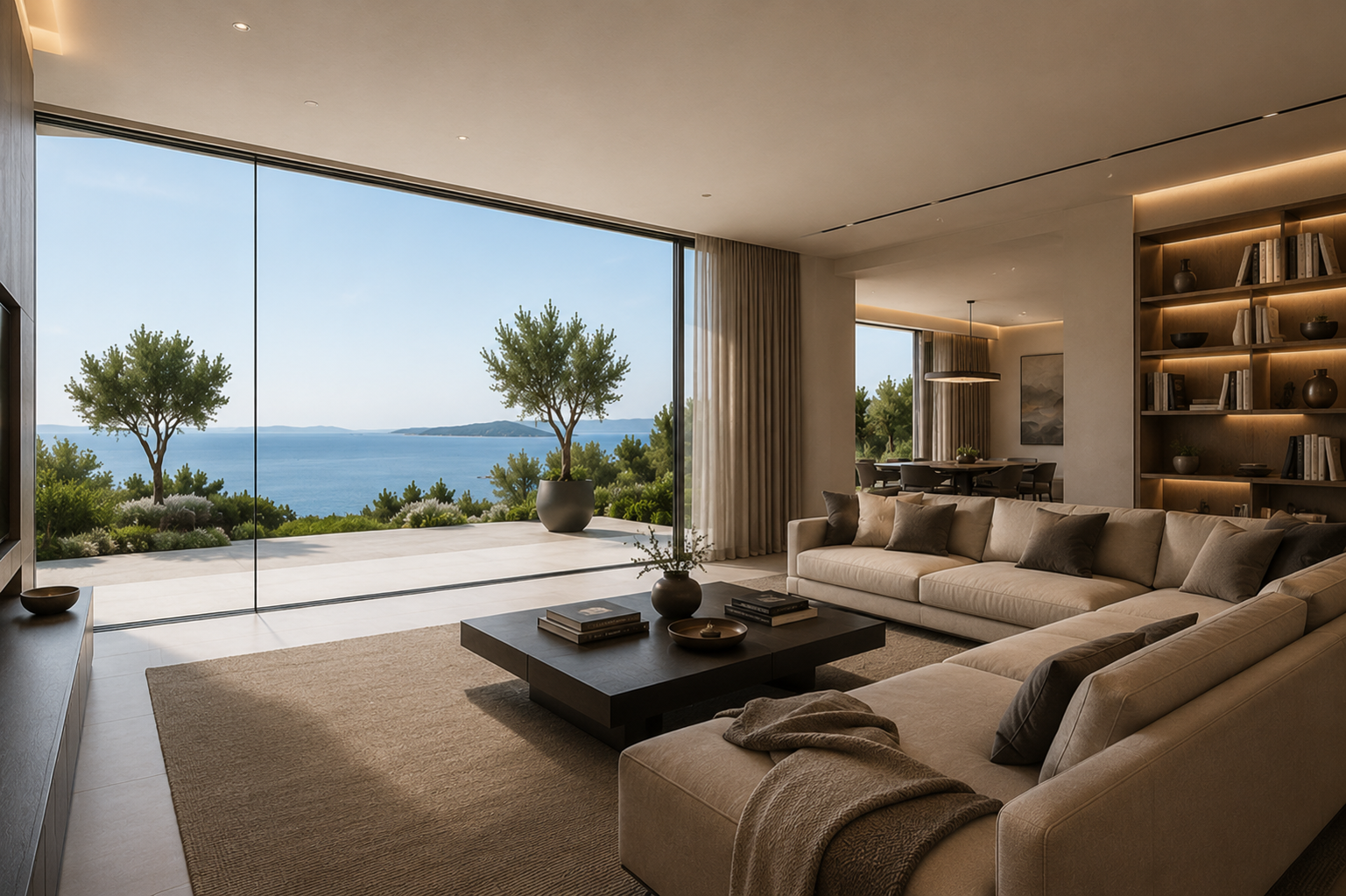
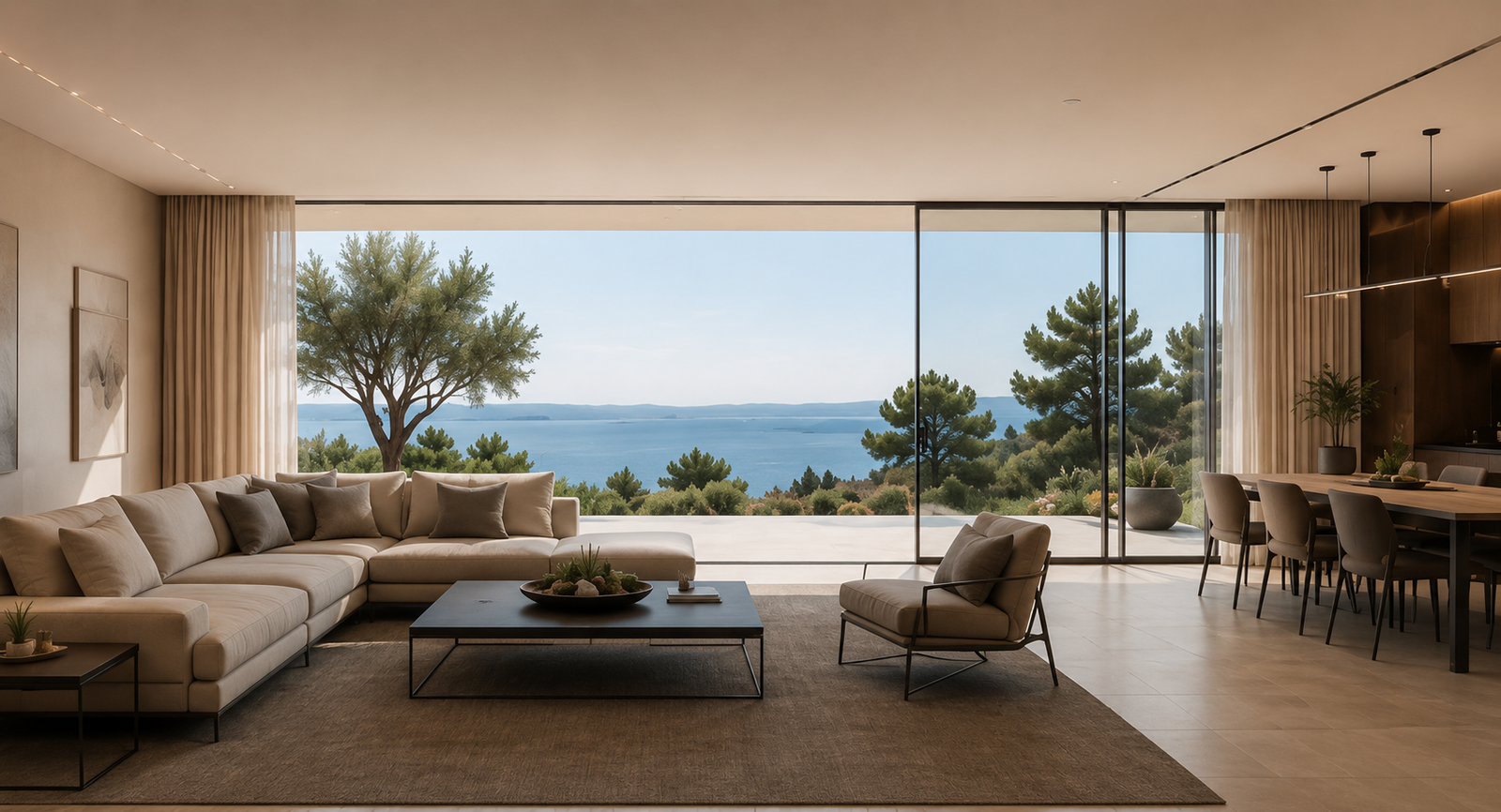
Walk through any of the newer developments in Dubai Hills, City Walk, or along the Downtown waterfront, and the pattern is obvious, floor-to-ceiling glass has become the default language of contemporary residential design here, not the exception.When a living room is built around a view of the Burj Khalifa or a marina, the last thing anyone wants is a thick aluminium frame chopping that view into segments.
Minimal sliding systems solve that directly.A wall that might have needed three or four standard windows to span can sometimes be done with two or three minimal sliding panels, with barely any visible interruption between the glass sections.For developers and architects working on premium villas and apartments, that uninterrupted glass line has become something close to a non-negotiable design expectation, not a luxury add-on anymore.
The Performance Question: Does Thinner Mean Weaker
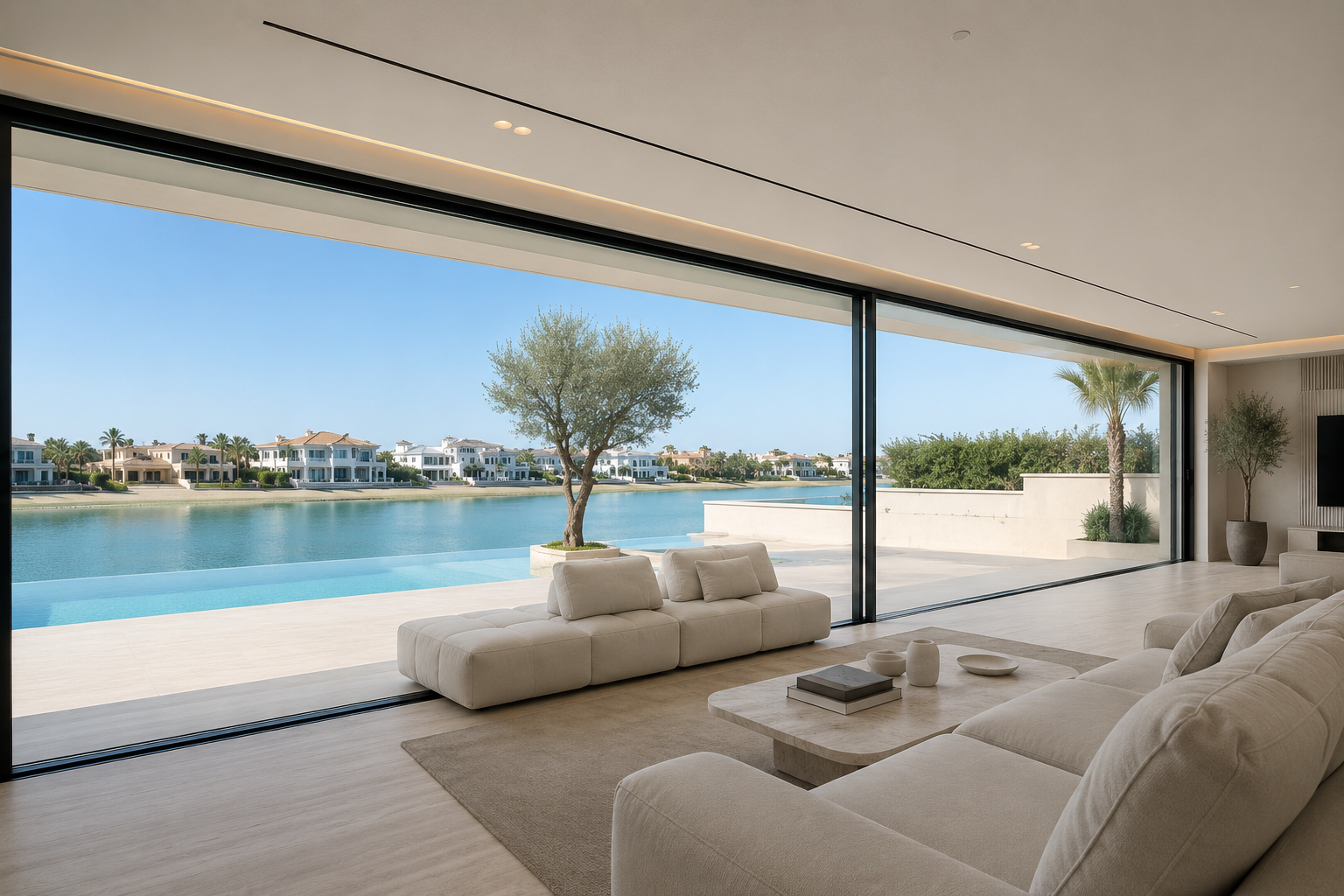
This is the question that comes up immediately, and reasonably so. A thinner frame intuitively sounds like it should be less capable of handling wind load, heat, or security, and with a poorly engineered system, that intuition would be correct. With a properly designed minimal system, it generally isn’t. Premium minimal profiles are tested specifically for structural performance under wind load, since Dubai does get strong gusts during shamal wind events and the occasional sandstorm.
They’re engineered with reinforced internal chambers and high-strength alloy sections precisely because removing visible frame material means the remaining material has to work harder, so it’s built to a tighter, more demanding specification, not a looser one. Thermal performance follows the same logic. A quality minimal system still includes a proper thermal break and supports double or even triple glazing, so the reduced frame width doesn’t come at the cost of heat performance; it just requires more careful engineering to achieve both at once.
Where minimal-sliding-window-system Make the Most Sense
Living Rooms and Spaces Built Around a View
This is the clearest use case. Anywhere the room is designed around what’s outside it, a marina, a golf course, a skyline, a minimal system keeps that view as uninterrupted as the structure will allow.
Indoor-Outdoor Transitions
Villas with a pool deck or garden directly off the living area benefit from minimal sliding walls that blur the line between inside and outside almost completely when fully open, which has become a defining feature of contemporary Dubai villa design.
High-Rise Apartments with Premium Views
Apartment towers marketed around skyline or waterfront views often specify minimal systems specifically because the frame itself becomes a selling point, or rather, the near-absence of one does.
Commercial and Hospitality Lobbies
Hotel lobbies and high-end retail spaces use minimal glazing systems to create an open, premium first impression, where a heavy visible frame would undercut the sense of scale and light the design is going for.
What to Check Before Choosing a Minimal Sliding Window
When evaluating a system, ask for the actual sight line measurement in millimetres, not just the word ‘minimal’ on a brochure. Confirm that the system has been tested for wind load appropriate to your building’s height and exposure, and check whether the thermal break is included as standard or sold as an upgrade. It’s also important to ask about maximum panel size and weight, since larger glass panels need a track and roller system rated to handle that load smoothly. Finally, get clarity on lead time, since slim profiles and large glass units are often custom-fabricated rather than stocked.
minimal-sliding-window-system by Arqen Industries
At Arqen Industries, our minimal sliding window systems are engineered specifically to perform under Dubai’s conditions, not adapted from a profile designed for a milder climate elsewhere. That means a genuine thermal break, hardware rated for sustained daily use, and structural testing that accounts for the wind loads this region actually sees, not just a slim-looking frame for the sake of a brochure photo. We work with architects and developers across residential and hospitality projects throughout the UAE to figure out where a minimal system genuinely earns its place in a design, and where a standard frame does the job just as well for less cost. It’s a conversation worth having early, since the frame choice affects glass sizing, structural planning, and budget all at once.
Frequently Asked Questions
How thin can a minimal sliding window frame actually get?
Premium minimal systems can bring the visible sightline down to somewhere between 20 and 40 millimetres, depending on the specific profile, glazing thickness, and panel size. The exact figure varies by manufacturer and system, so it’s worth asking for the precise specification rather than relying on marketing language alone.
Are minimal sliding window as secure as standard ones?
A well-engineered minimal system typically includes a multi-point locking mechanism integrated into the slim profile, which can match or exceed the security of a standard sliding window. Security comes down to the quality of the lock and frame engineering, not simply the visible width of the frame.
Do minimal frames affect energy efficiency?
Not when properly designed. A quality minimal system still incorporates a thermal break and supports double or triple glazing. The engineering challenge is achieving that performance within a narrower frame, which premium systems are specifically built to handle.
How big can the glass panels be in a Minimal Sliding Window?
This depends on the specific profile and the track and roller hardware behind it, but premium systems are increasingly capable of supporting large, heavy glass panels, sometimes spanning floor to ceiling. It’s worth confirming maximum panel dimensions with your supplier based on your specific opening size.
Is a Minimal Sliding Window more expensive than a standard one?
Generally yes, the more demanding engineering, reinforced alloys, and often custom fabrication involved in achieving a slim sightline without sacrificing performance add cost compared to a standard frame. For projects where the view or the design language depends on minimal visual interruption, most architects and homeowners consider it worth the difference.
Considering a Minimal Sliding Window for Your Project?
Whether you’re designing a villa around a view, opening up a living space to a pool deck, or specifying glazing for a hospitality lobby, our team at Arqen Industries can help you figure out whether a minimal sliding system is the right fit for your space and budget.
Get in touch for a free consultation visit arqenindustries.com or reach out to our team directly. We’re happy to talk through your project.